

- Key Points:
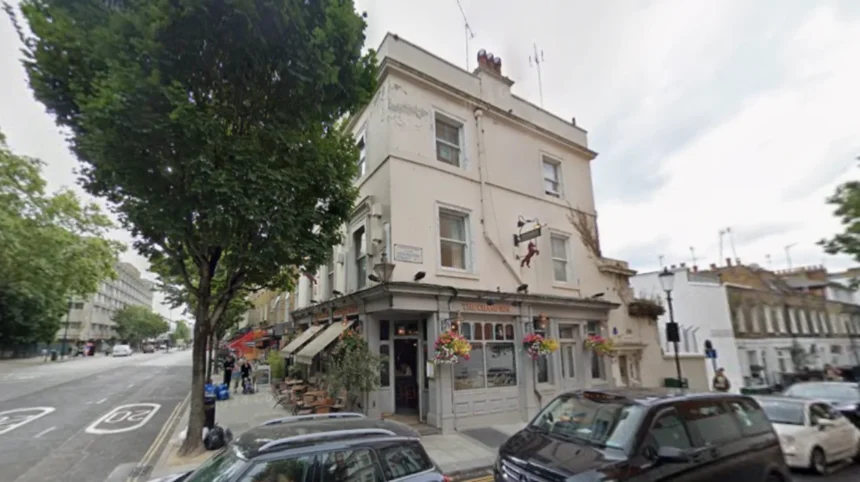
- The Champion, which is a historic pub located in Notting Hill and a former favorite hangout for rock bands such as Queen and The Clash, is undergoing an official licensing process.
- One of the local residents, who was referred to as Mr. Steel in council papers, filed a complaint regarding problems associated with noise, disturbance, and customers occupying the public highway while consuming their drinks outside.
- Moreover, according to the complainant, glassware and broken glass had been found in the neighboring mews, and these could cause dangers for the local children.
- Mr. Steel asked the Royal Borough of Kensington and Chelsea council to force the venue to limit outdoor drinking only to seated areas using plastic cups.
- Defenders of the pub, including Roberta Licurgo, one of the local patrons of The Champion, argue that the venue is an important part of the community that reflects traditional character of Notting Hill Gate.
- Alex Nandris, General Manager of The Champion, noted that the flats located above the pub have not complained about any issues and that employees regularly clean the pavement from glass.
- The licensing meeting of the full Kensington and Chelsea Licensing committee is scheduled for Thursday, September 17, 2026.
Notting Hill (West London Times) September 17, 2026 – a historic Notting Hill pub historically frequented by British rock icons Queen and The Clash is currently facing a formal licence review following objections raised by a local resident over street drinking and public nuisance. The Champion, situated close to Hyde Park and formerly celebrated as one of London’s prominent traditional pubs, finds its operational permissions scrutinized after complaints regarding patrons congregating on the pavement.
As written by Katherine Gray of My London, the complainant, Mr Steel, detailed his grievances in a formal council report, stating:
“Patrons regularly congregate outside the premises, generating noise and disturbance for local residents, particularly during evening hours.”
Mr Steel further added, as noted by Katherine Gray of My London, that he had raised these concerns directly with pub staff on multiple occasions, requesting reduced music volumes and the relocation of furniture, but claimed that the issues had persisted despite these interventions.
What specific safety concerns have been raised regarding the Notting Hill venue?
Delving deeper into the regulatory filings, Katherine Gray of My London reported that the resident also alleged that drinking glasses and occasional fragments of broken glass had been discovered on the mews adjacent to the licensed premises. According to the report highlighted by Katherine Gray of My London, Mr Steel stated:
“The presence of discarded glassware and broken glass presents a foreseeable risk of injury to children, as are intoxicated individuals blocking the highway. My child has previously come close to direct contact with broken glass in the vicinity of the premises.”
In response to these allegations, the complainant has formally petitioned the local authority to impose strict operational limitations on the venue. As detailed by Katherine Gray of My London, the resident asked the council to force the venue to ensure that any drinking outside is strictly permitted only while seated and utilizing plastic containers rather than traditional glassware.
Explore more uk/local/">Local West London Times News:
Putney Pusher Case Suspect Found Dead in Chiswick 2026
West London Cafe Brings Halal Colombian Empanadas to West Ealing 2026
How have the pub management and local supporters responded to the licensing challenge?
Despite the formal complaint, the venue has drawn backing from patrons and its management team who emphasize its cultural and historical significance to the local community. As reported by Katherine Gray of My London, a total of one person supported the review application, while five individuals submitted written representations in support of the premises.
Local patron Roberta Licurgo defended the establishment, stating, as published by Katherine Gray of My London:
“The Champion is more than just a pub—it is a much-loved local institution and one of the few traditional neighbourhood pubs remaining in Notting Hill Gate.”
Ms Licurgo added, in text recorded by Katherine Gray of My London:
“As the area has changed so dramatically over the years, it has remained a welcoming meeting place for local residents and visitors alike, helping to preserve the character and sense of community that once defined the neighbourhood.”
Addressing the operational concerns, Alexander Nandris, General Manager at The Champion, countered that neither of the two residential flats situated directly above the pub had registered complaints against the establishment. As noted by Katherine Gray of My London, Mr Nandris maintained that staff undertake regular checks of the pavement to guarantee that no glass is left outside and to ensure customers refrain from consuming alcohol in unlicensed zones.
Background of the particular development
The licensing review facing The Champion highlights an ongoing urban tension in central London neighbourhoods like Kensington and Chelsea, where historic, culturally significant hospitality venues sit in close proximity to residential properties. Pubs across the capital—particularly traditional establishments dating back decades—frequently navigate a delicate balance between maintaining their historic operating models, supporting local heritage, and complying with modern residential amenity expectations.
Local authorities such as the Royal Borough of Kensington and Chelsea regularly adjudicate licensing reviews when residents invoke statutory grounds such as public nuisance, public safety, and the prevention of crime and disorder. The involvement of cultural landmarks associated with legendary musical acts like Queen and The Clash often elevates public interest in these local regulatory proceedings, drawing attention to how traditional social spaces adapt to contemporary urban environments.
This licensing hearing could establish a significant precedent for how traditional London pubs manage pavement drinking and outdoor socialising, potentially leading to tighter restrictions on outdoor seating and glassware usage across the borough if the council decides in favour of the resident. For local residents, a successful restriction could mean quieter evenings and reduced street congestion around residential mews. However, for the local hospitality industry, heritage venues, and patrons who value traditional neighbourhood institutions, stricter mandates regarding plastic containers and mandatory seating could increase operating complexities and alter the casual social atmosphere that defines historic British pub culture in areas undergoing rapid gentrification.