

Key Points
- An investigation by Hammersmith & Fulham Council is underway regarding the change of use of the listed Hammersmith Ram pub at King Street to an unauthorized discount store.
- The council has sent a letter to the freeholder Arora Family, which is a real estate firm based in Ealing, demanding a response by 22nd September 2026 or else the freeholder may be subject to enforcement actions.
- Such enforcement actions may include serving of a stop notice or even getting a court order.
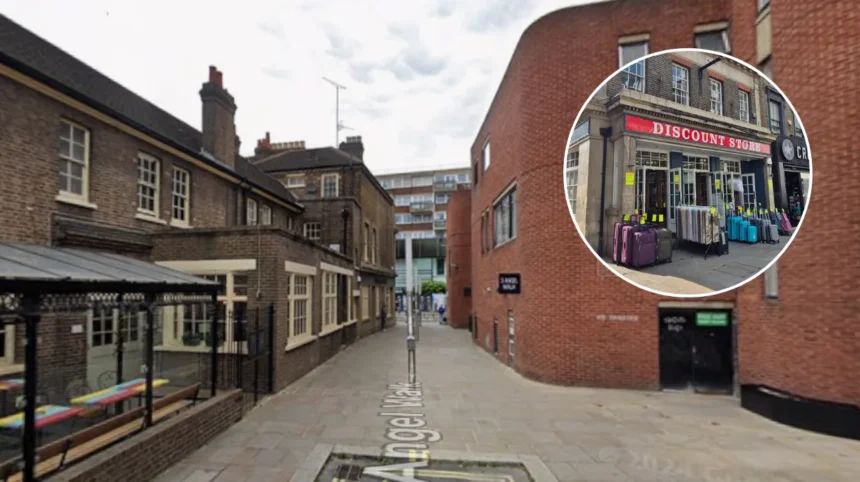
- This historic building, which dates back to the 18th century, was passed to the possession of the Arora Family in July 2026 and immediately converted to a ‘Discount Store’ that sells kitchen utensils and suitcases without planning consent for change of use.
- According to the Local Democracy Reporting Service (LDRS), the freeholder stated that the use of the premises was temporary after the occurrence of squatters, and that he intended to locate another hospitality company, claiming that the current tenant acted against the conditions of the agreement made.
- Different versions were heard concerning the tenant: according to the freeholder, it is Retail 11 who manages the place, while a person working there said that the place is managed by Nyra.
- The local ward councillors, Callum Nimmo and Molly Mantle, condemned the change of use in a joint letter to the LDRS, stating that it is very disappointing since local businesses should adhere to planning rules.
uk/local/hammersmith-and-fulham/hammersmith/">Hammersmith (West London times) September 14, 2026 – Enforcement action could soon be initiated against the owners of a centuries-old West London pub site after the historic building was transformed into an unapproved discount retail outlet.
- Key Points
- Why Is Hammersmith and Fulham Council Investigating the Former Hammersmith Ram?
- How Did a Historic Pub Transform Into an Unplanned Discount Store?
- What Are the Conflicting Accounts Surrounding the Store Operators?
- How Have Local Representatives and Councillors Responded?
- Background of the Particular Development
- Impact on the Local Audience
Why Is Hammersmith and Fulham Council Investigating the Former Hammersmith Ram?
Hammersmith and Fulham Council has formally intervened following the unauthorized conversion of the former Hammersmith Ram pub on King Street into a retail establishment. The local authority has written directly to the property’s freeholder, the Ealing-based real estate firm Arora Family, demanding a formal response by 22 September 2026.
Failure to respond or rectify the breach could trigger stringent local authority enforcement measures. As detailed in official council procedures, these potential penalties range from the issuance of a formal stop notice to pursuing a high-court injunction. At the time of publication, Arora Family had not responded to requests for comment regarding the regulatory breach.
How Did a Historic Pub Transform Into an Unplanned Discount Store?
The structural transformation of the site has raised acute local concerns because the building bypassed mandatory planning protocols. To legally transition a hospitality venue into a commercial shop, property owners must apply for a formal change of use. Local records indicate this application was never submitted.
The site boasts a storied history stretching back to the 18th century when it operated under the moniker The Great Angel. The physical structure standing today was constructed in 1930. Brewing giant Young’s acquired the property in 1966, renaming it The Builders Arms that same year, before rebranding it as the Hammersmith Ram in 1996 in honor of the company logo.
The freehold changed hands in July 2026, being sold to Arora Family. Within weeks of the transaction, the doors reopened not to pour pints, but to sell domestic goods, including suitcases, pots, and pans, under the bare banner of ‘Discount Store’.
What Are the Conflicting Accounts Surrounding the Store Operators?
As revealed by the Local Democracy Reporting Service (LDRS), the freeholder initially defended the arrangement by claiming the retail usage was an emergency measure. The property owner asserted that squatters had recently breached the building, prompting them to introduce a temporary occupier to secure the premises. Furthermore, a spokesperson for Arora Family stated they were urgently reviewing the situation because it appeared the current occupant had operated entirely outside the parameters of their agreement.
The LDRS subsequently uncovered that the shop was allegedly being operated by a company named Retail 11. However, conflicting information came to light during an on-site visit. The sole employee working at the store told journalists that a firm called Nyra was managing the operations.
According to the on-site employee, Nyra is appropriately registered despite not currently appearing on Companies House registries. The employee pushed back directly against the freeholder’s claims of a temporary arrangement, stating instead that the store possesses full operating permissions and anticipates a long-term residency on King Street.
When the LDRS pressed Arora Family for clarification regarding whether Retail 11 was deemed a suitable tenant given the stated intent to retain a pub, and whether they had knowledge of Nyra managing the retail floor, no responses were forthcoming. Attempts to reach both Retail 11 and Nyra directly for comment were unsuccessful.
How Have Local Representatives and Councillors Responded?
The rapid and unannounced shift from a community social hub to a discount shop has drawn sharp criticism from local political figures. Local ward councillors Callum Nimmo and Molly Mantle voiced their strong disapproval via a joint statement issued to the LDRS.
As reported by the Local Democracy Reporting Service (LDRS), Councillors Callum Nimmo and Molly Mantle stated that it is
“extremely disappointing to see [the pub] close and then, seemingly without any public notice or consultation, quickly open as a shop.”
The councillors emphasized community fairness, adding that
“residents and the many well-run businesses along King Street are expected to follow the rules, and this shouldn’t be any different.”
Furthermore, the councillors noted that the loss clashes with broader national objectives. They pointed out that the incident arrives precisely as the Labour Party has designated the preservation of British pubs as a national priority. They concluded that it would be a profound shame for Hammersmith to forfeit a venue possessing such deep local heritage at a time when the government is actively attempting to reverse a nationwide trend of hospitality closures.
Explore more Hammersmith News:
Historic London Pub Turned Into Discount Store in Hammersmith 2026
New Co-op Opens with Mayor Holder in Hammersmith 2026
Background of the Particular Development
The controversy surrounding the Hammersmith Ram reflects ongoing tensions across Greater London concerning the loss of historic community assets and hospitality venues to commercial or residential developments. Over recent decades, traditional pubs have faced mounting financial pressures, including rising business rates, energy costs, and shifting consumer habits. These economic hardships have frequently left historic properties vulnerable to prolonged vacancy or speculative property transactions.
In the case of King Street, the transition from a long-standing public house to an impromptu discount store highlights systemic vulnerabilities in the oversight of empty commercial properties. Instances of buildings being occupied unlawfully or repurposed without proper municipal oversight have increasingly drawn the attention of local planning authorities across London boroughs. Councils are under mounting pressure from resident associations and community groups to safeguard local character and enforce planning laws strictly, ensuring that property owners cannot bypass statutory consultation processes or change the fundamental use of community landmarks without public scrutiny.
Impact on the Local Audience
For the local community, residents, and independent business owners along King Street, this enforcement action and subsequent legal wrangling could set an important precedent for neighborhood governance. If Hammersmith and Fulham Council successfully issues stop notices or enforces a strict planning reversal, it will signal to property speculators that unauthorized conversions of cultural and social hubs will not be tolerated. Conversely, prolonged delays in resolving the dispute could leave a prominent high street location in limbo, continuing the erosion of the area’s daytime and evening economy.
For local patrons and heritage advocates, the episode underscores the fragility of historic establishments. While the freeholder has maintained an intention to eventually restore hospitality use to the site, local skepticism remains high. If the enforcement action forces the removal of the unauthorised discount store, it could pave the way for a compliant operator to revive a pub space on King Street, aligning with wider government initiatives to protect the British pub sector. However, should the legal battle drag on, the local community risks losing a cherished piece of Hammersmith’s architectural and social history to unregulated commercial creep.