


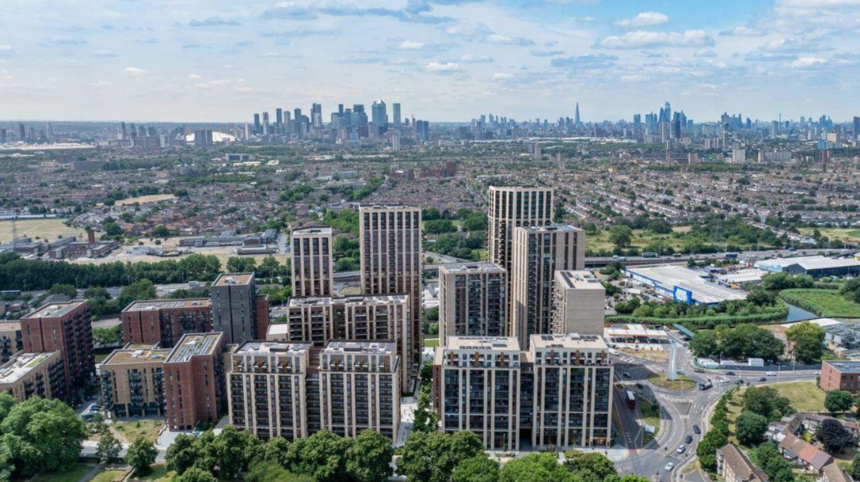
West London combines established residential districts, major transport infrastructure, employment centres, regeneration zones and high-value suburban markets. The area stretches across boroughs including uk/local/ealing/">Ealing, fulham/hammersmith/">hammersmith-and-fulham/">Hammersmith and Fulham, Hounslow, Richmond upon Thames, Brent and parts of Westminster.
- Which areas are the best places to invest in West London?
- Why does West London attract property investors?
- Is Ealing one of the best areas for property investment in West London?
- Is Hounslow a good area for property investment?
- Is Hammersmith and Fulham a strong West London investment location?
- Is Richmond upon Thames suitable for long-term property investment?
- Is Old Oak one of the most important future investment areas in West London?
- What makes Acton and Park Royal important investment areas?
- How should investors compare West London property areas?
- Which West London investment strategy fits different property types?
- What are the main risks of investing in West London property?
- What is the long-term outlook for West London property investment?
Property investment in West London covers several distinct strategies. Some locations prioritise rental demand and relative affordability. Others focus on established capital values, family housing or long-term regeneration.
The latest official figures show significant differences between boroughs. In June 2026, the average house price was £513,000 in Hounslow, £576,000 in Ealing, £726,000 in Hammersmith and Fulham, and £819,000 in Richmond upon Thames. London overall recorded an average of £554,000.
These differences make location selection central to a West London investment strategy. Investors need to assess purchase price, rental income, transport accessibility, housing type, regeneration, planning policy and long-term demand together.
This guide examines the strongest West London areas through those factors. It focuses on established neighbourhoods and major regeneration locations rather than short-term price predictions.
Which areas are the best places to invest in West London?
The strongest West London investment areas include Ealing, Hounslow, Acton, Chiswick, Hammersmith, Fulham, Brentford, Richmond and Old Oak, with each area offering a different balance of affordability, rental demand, transport connectivity, regeneration and capital value.
Ealing stands out as a broad residential investment market. It combines established housing, strong transport connections and access to central London employment. Its average house price was £576,000 in June 2026, while average private rent reached £2,085 per month in July 2026.
Hounslow provides a lower average entry price than several neighbouring West London boroughs. Its average house price was £513,000 in June 2026. Average private rent was £1,945 per month in July 2026.
Hammersmith and Fulham occupies a more expensive part of the market. Its average house price was £726,000 in June 2026, with average private rent at £2,796 per month in July 2026.
Richmond upon Thames represents the premium end of West London residential property. Its average house price reached £819,000 in June 2026, while average private rent reached £2,318 per month.
Old Oak is different from these established markets. It is a large-scale regeneration opportunity centred on Old Oak Common station. The Old Oak and Park Royal Development Corporation is coordinating development across parts of Ealing, Brent and Hammersmith and Fulham.
Why does West London attract property investors?
West London attracts investors because it combines proximity to central London, Heathrow Airport, major employment districts, national rail services, the Elizabeth line and major regeneration schemes with established residential communities and diverse housing stock.
West London’s investment case is strongly connected to accessibility. The area contains several major transport corridors linking residential districts with central London, Heathrow and other employment centres.
The Elizabeth line has strengthened connections across western and eastern London. Stations including Ealing Broadway, Acton Main Line, Southall and Hayes & Harlington provide access to the wider London transport network.
Heathrow Airport also influences residential demand across western districts. Hounslow and neighbouring areas provide housing for workers connected to the airport and wider aviation economy.
West London also contains significant employment centres. Hammersmith has a substantial commercial economy. Park Royal contains one of the UK’s largest industrial estates. Old Oak is being developed as a major mixed-use employment and residential district.
The area’s housing stock is diverse. Investors encounter Victorian and Edwardian terraces, converted flats, purpose-built apartments, semi-detached houses and detached properties. Examples include period terraces in Ealing, apartments around Hammersmith and family houses in Chiswick and Richmond.
This diversity supports different investment models. Smaller flats suit investors targeting professional tenants. Terraced and semi-detached houses suit family rental markets. Premium properties suit investors prioritising higher-value assets and established neighbourhoods.
Transport accessibility remains an important property-market factor. Areas close to stations generally have stronger connections to employment, education, retail and leisure destinations.
Is Ealing one of the best areas for property investment in West London?
Ealing is one of West London’s strongest all-round investment locations because it combines established residential demand, Elizabeth line connectivity, multiple neighbourhoods, varied housing stock and a lower average price than several premium neighbouring boroughs.
Ealing is a large London borough with a broad housing market rather than a single property district. Ealing Broadway, West Ealing, South Ealing, Northfields, Hanwell and Acton each have different property characteristics.
The borough’s transport network is a major investment factor. Ealing Broadway provides Elizabeth line, Central line and District line services. The Elizabeth line connects the area with central London and Heathrow.
Ealing also has an established town-centre economy. Retail, restaurants, schools, parks and local services support long-term residential demand.
Official ONS data recorded an average Ealing house price of £576,000 in June 2026. The figure was 2.7% below the previous year’s level. Average private rent reached £2,085 per month in July 2026, an annual increase of 2.2%.
This combination gives Ealing an important investment characteristic: the borough remains below premium West London markets such as Richmond upon Thames and Hammersmith and Fulham on average purchase price.
Acton is particularly relevant to investors focused on transport-led regeneration and rental demand. Its position between Ealing and central London provides access to several transport corridors.
Hanwell offers a different residential profile. Its Elizabeth line station provides direct rail connectivity while the neighbourhood retains a predominantly residential character.
Investors assessing Ealing should compare individual streets rather than rely solely on borough-wide averages. Lease length, service charges, property condition, freehold or leasehold status and proximity to stations materially affect individual property economics.
Is Hounslow a good area for property investment?
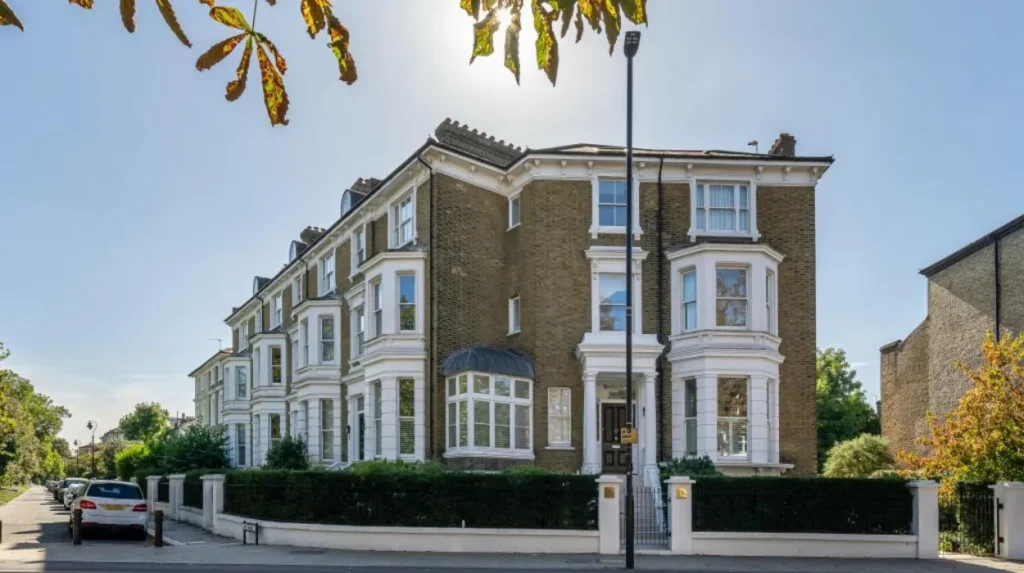
Hounslow provides one of West London’s more accessible investment markets, combining lower average purchase prices with established rental demand, Heathrow employment, Elizabeth line access and extensive housing stock across Hounslow, Brentford, Isleworth and surrounding neighbourhoods.
Hounslow is particularly relevant for investors seeking a lower average entry point within West London.
The ONS recorded an average house price of £513,000 in Hounslow in June 2026. This was 1.1% higher than June 2025, while London’s average house price fell by 2.5% over the same period.
Average private rent reached £1,945 per month in July 2026, representing annual growth of 3.1%. The borough’s average first-time-buyer price was £448,000.
The borough’s housing stock includes flats, terraced houses, semi-detached homes and detached properties. Official June 2026 figures put average prices at approximately £347,000 for flats and maisonettes, £594,000 for terraced properties, £694,000 for semi-detached homes and £1.012 million for detached properties.
Hounslow’s employment geography is important. Heathrow Airport is located immediately west of the borough and supports a large employment ecosystem. The area’s transport network also connects residents with central London and surrounding employment centres.
Brentford provides another investment proposition. The area has experienced substantial redevelopment, including residential development around the waterfront and town centre.
Isleworth offers a more established suburban housing market. Its proximity to Hounslow, Richmond and the Thames provides access to several employment and leisure locations.
Hounslow therefore suits investors assessing rental demand alongside purchase price. Individual returns still depend on financing, acquisition costs, maintenance, taxation, vacancy periods and achievable rent.
Is Hammersmith and Fulham a strong West London investment location?
Hammersmith and Fulham is a premium West London investment market supported by strong transport links, employment centres, established neighbourhoods and high rents, although its higher purchase prices require careful analysis of rental income, financing and property-specific costs.
Hammersmith and Fulham contains several established property markets, including Hammersmith, Fulham, Shepherd’s Bush, West Kensington and Parsons Green.
Hammersmith is a major transport interchange. Underground services include the District and Piccadilly lines, while Hammersmith Broadway functions as a major commercial centre.
The borough also has substantial employment demand. Its location between central London and Heathrow places it within a strategically important western corridor.
Official data show that Hammersmith and Fulham had an average house price of £726,000 in June 2026. Average private rent reached £2,796 per month in July 2026.
The borough’s average price was substantially higher than Hounslow and Ealing. That changes the investment calculation. A higher purchase price requires closer attention to gross rent, mortgage costs, service charges and net operating income.
Property type also matters. ONS figures for June 2026 recorded average prices of £561,000 for flats and maisonettes, £1.109 million for terraced properties, £1.446 million for semi-detached homes and £1.668 million for detached properties.
For rental investors, apartments close to transport hubs form an important segment. For capital-focused investors, larger period properties provide a different market profile.
The borough’s premium position also means investors should avoid relying on headline rental yields alone. Lease length, ground rent, service charges, building condition and planned major works can significantly affect the net return on a flat.
Is Richmond upon Thames suitable for long-term property investment?
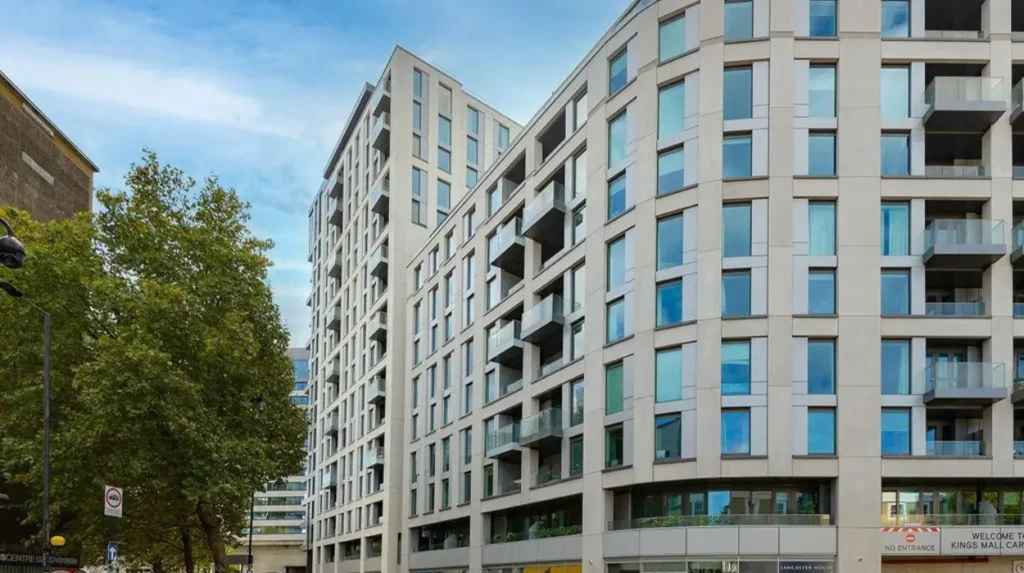
Richmond upon Thames suits long-term investors seeking an established premium residential market, strong rental values, green space, attractive housing stock and relative price stability rather than a lower-cost entry strategy based primarily on rental yield.
Richmond upon Thames occupies a distinctive position in West London. It combines suburban housing, riverside locations, extensive green space and access to central London.
Richmond town is served by National Rail and London Underground services. The borough also contains stations across districts including Twickenham, Teddington, Kew and Barnes.
The area attracts family households and professional tenants. Housing includes period terraces, apartments, semi-detached homes and detached properties.
ONS data recorded an average house price of £819,000 in June 2026. This was broadly unchanged from the previous year. Richmond upon Thames ranked as London’s fourth-highest borough by average house price at that time.
Average private rent reached £2,318 per month in July 2026, increasing 4.0% annually.
The borough also has a wide range of property values. Average June 2026 prices included approximately £500,000 for flats and maisonettes, £932,000 for terraced properties, £1.207 million for semi-detached homes and £1.819 million for detached properties.
Richmond therefore represents a different investment proposition from Hounslow. Its higher capital requirement reflects an established premium market.
Investors should also distinguish Richmond town from other parts of the borough. Kew, Twickenham, Teddington and Barnes each have different housing stock, transport connections and rental markets.
Is Old Oak one of the most important future investment areas in West London?
Old Oak is one of West London’s most significant long-term regeneration locations because the planned district combines HS2, the Elizabeth line, Great Western Main Line and Heathrow Express connections with thousands of homes, employment space and new infrastructure.
Old Oak is fundamentally different from established residential markets because its investment story is tied to large-scale regeneration.
The Old Oak and Park Royal Development Corporation, known as OPDC, is the statutory Mayoral Development Corporation responsible for coordinating regeneration across the area.
The project covers parts of Ealing, Brent and Hammersmith and Fulham. The area includes Park Royal, Old Oak and Wormwood Scrubs.
The current regeneration programme includes approximately 8,000 new homes and up to 200,000 square metres of commercial and community space across the Old Oak development. Plans also include two new parks and improvements to the Grand Union Canal.
Old Oak Common station is the central infrastructure project. The planned hub connects HS2 with the Elizabeth line, Great Western Main Line and Heathrow Express.
The wider Old Oak and Park Royal Opportunity Area has much larger long-term planning ambitions. London’s draft 2026 planning material identifies indicative capacity for 23,000 homes and 19,900 jobs across the Opportunity Area.
Regeneration creates several investment considerations. New infrastructure can improve connectivity and employment access. New homes can increase local housing supply. New commercial space can strengthen employment activity.
However, investors need to distinguish confirmed infrastructure from long-term planning proposals. Construction schedules, planning permissions and delivery phases change over time.
Old Oak therefore suits investors who understand development cycles and the additional risks associated with emerging neighbourhoods.
What makes Acton and Park Royal important investment areas?
Acton and Park Royal combine strategic transport connections, employment activity and proximity to the Old Oak regeneration zone, creating a West London investment corridor with established housing alongside major commercial and infrastructure development.
Acton occupies an important position between Ealing and central London. Acton Main Line provides Elizabeth line services, while other Acton stations connect to London Underground and Overground routes.
The area contains established residential streets alongside new apartment developments. This creates a mixed housing market with different investment opportunities.
Park Royal is primarily an employment and industrial district. It forms part of the Old Oak and Park Royal regeneration area and contains a substantial concentration of businesses.
The wider opportunity area spans approximately 655 hectares according to London’s draft 2026 planning material. It combines Park Royal’s industrial economy with Old Oak’s major brownfield redevelopment.
OPDC describes Park Royal as an important economic component of the wider regeneration strategy. The area supports industrial, logistics, food production, creative and commercial activities.
For residential investors, Acton provides a more established housing market than the developing Old Oak neighbourhood. For commercial property investors, Park Royal presents a different proposition linked to employment and industrial demand.
The West London Orbital is another transport project relevant to the broader area. In 2026, funding was secured to progress planning and design work for the proposed railway project through the end of 2027.
Because the West London Orbital remains a project under development, investors should treat future transport improvements as planning considerations rather than guaranteed completed infrastructure.
How should investors compare West London property areas?
Investors should compare West London locations using purchase price, achievable rent, transport access, employment demand, property condition, tenure, service charges, planning activity, regeneration exposure and long-term resale demand rather than relying on house-price growth alone.
The first measure is purchase price. Borough averages provide context but do not determine the value of an individual property.
The second measure is rental income. Investors should establish realistic local rent using comparable properties with similar size, condition, furnishing and transport access.
The third measure is gross rental yield. This is calculated by dividing annual rent by the purchase price and multiplying by 100. It does not represent the investor’s final return because costs are excluded.
Net yield provides a more useful operating measure. Costs include mortgage interest, management fees, insurance, repairs, maintenance, service charges, licensing where applicable and periods without tenants.
Capital expenditure also requires attention. Roof replacement, windows, heating systems, electrical upgrades and lease-extension costs affect long-term returns.
Transport is another major factor. A property within practical walking distance of a railway or Underground station has a different demand profile from an otherwise similar property with weaker connections.
Property tenure is particularly important for flats. Lease length, service charges, sinking funds, restrictions and planned building works can affect both financing and resale.
Planning policy also matters. Investors should examine the relevant borough’s local plan, planning applications and regeneration framework before purchasing.
Old Oak demonstrates the importance of this approach. Its infrastructure and regeneration programme create significant long-term development potential, but investors must distinguish approved projects from proposals still progressing through planning and funding processes.
Which West London investment strategy fits different property types?
Flats generally suit investors targeting professional and commuter rental demand, terraces and semi-detached homes suit family markets, while premium houses suit capital-focused strategies; new-build property requires additional analysis of service charges, lease terms and developer pricing.
Flats form a significant part of West London’s investment market. They are common around transport hubs and town centres.
Ealing, Acton, Hammersmith and Hounslow contain substantial apartment markets. Flats generally require careful analysis of service charges and lease arrangements.
Terraced houses occupy a different market segment. They attract families, professional households and longer-term tenants. Period terraces in Ealing and Hammersmith demonstrate this established housing pattern.
Semi-detached and detached homes generally require greater capital expenditure. They also offer larger floor areas and gardens, which support family demand in suburban districts.
New-build apartments require particular financial scrutiny. Investors need to assess service charges, lease terms, ground rent provisions, warranty arrangements, parking costs and developer incentives.
Regeneration-area properties require additional research. Old Oak is an example where infrastructure delivery, planning, construction sequencing and neighbourhood formation form part of the investment analysis.
The appropriate strategy therefore depends on the investor’s objective. Rental-focused investors prioritise achievable rent and operating costs. Capital-focused investors prioritise location quality, property scarcity and long-term demand. Development investors assess planning, land value and construction economics.
Explore More Area Guide
Buying a Home in West London: Complete Guide 2026
Renting in West London: Costs, Areas and Tenant Rights
What are the main risks of investing in West London property?
The main risks include high acquisition costs, mortgage rates, maintenance expenses, rental voids, regulatory changes, leasehold liabilities, planning uncertainty and local price differences, making property-level due diligence essential before committing investment capital.
West London property remains a high-value market. Purchase prices require substantial capital or borrowing capacity.
Mortgage costs directly affect cash flow. An investment that appears profitable before financing costs can produce a different result after interest and operating expenses.
Rental income is not guaranteed. Properties experience tenant turnover, vacancy periods and maintenance requirements.
Regulation also affects landlords. England’s private rented sector operates under housing, safety, energy efficiency and tenancy regulations that investors must monitor.
Leasehold properties create additional risks. Short leases can reduce mortgage availability and resale demand. High service charges can reduce net rental income.
Building safety is another consideration, particularly for flats in larger developments. Investors should review relevant documentation and responsibilities before purchase.
Regeneration also carries timing risk. Large projects involve planning, land assembly, infrastructure works and construction phases. Old Oak illustrates this process. OPDC made a compulsory purchase order in September 2025 to support land assembly for approximately 31 hectares of regeneration land.
Market data also require careful interpretation. ONS states that local housing statistics are based on smaller numbers of transactions than national estimates and that short-term movements can therefore be more variable.
Investors should therefore use multi-year trends, comparable sales and property-specific analysis instead of treating one month’s average as a definitive market signal.
What is the long-term outlook for West London property investment?
West London’s long-term investment outlook is shaped by transport infrastructure, employment growth, housing development and regeneration, with Old Oak, Ealing, Hounslow and established premium districts providing distinct opportunities across different risk and capital requirements.
West London has several structural advantages. Its location connects central London with Heathrow and the wider national transport network.
The most significant long-term transformation is centred on Old Oak. The 2026 masterplan framework describes a new mixed-use district supported by housing, employment, infrastructure, public spaces and community facilities.
The current programme includes approximately 8,000 homes at Old Oak and up to 200,000 square metres of commercial and community space.
The wider Opportunity Area has an even larger planning ambition. London’s 2026 draft planning documentation identifies indicative capacity for 23,000 homes and 19,900 jobs.
Imperial College London is also involved in the area’s innovation economy. In June 2026, Imperial and OPDC announced a strategic partnership focused on innovation, entrepreneurship, regeneration and inward investment.
Established areas remain important alongside regeneration districts. Ealing provides a diversified residential market. Hounslow combines comparatively lower average prices with substantial rental demand. Hammersmith and Fulham provides a premium inner-West London market. Richmond upon Thames provides an established high-value suburban market.
The most important investment principle is therefore diversification of location characteristics. West London is not one property market. It contains multiple micro-markets shaped by transport, employment, housing stock, planning and household demand.
Investors researching the best areas to invest in West London should compare current purchase prices and rents with long-term local evidence. They should verify planning information through the relevant council and London planning authorities, assess individual property costs and calculate net rather than headline returns.
Official ONS data provide the most appropriate starting point for current local price and rent comparisons, while London planning and OPDC documents provide the framework for understanding major regeneration projects.
West London’s investment landscape therefore ranges from established premium neighbourhoods to major regeneration zones. Ealing, Hounslow, Acton, Hammersmith, Fulham, Richmond, Brentford and Old Oak each have different investment characteristics. The strongest choice depends on the investor’s capital, rental strategy, financing structure, property type and investment horizon.
What are the best areas to invest in West London?
The leading West London investment areas include Ealing, Hounslow, Acton, Hammersmith, Fulham, Richmond, Brentford and Old Oak. Each area has different property prices, rental demand, transport links and regeneration opportunities.