


Key Points
- Andrew Gibney, 36, died by suicide in west Belfast on January 11 after a history of mental health difficulties.
- His sister, Magz Gibney, said the family believes a change in his antidepressant medication contributed to a deterioration in his mental state.
- The family is calling for potential medication-related harms to be considered when suicide causes are examined.
- Northern Ireland recorded 262 registered suicide deaths in 2025, compared with 290 in 2024, according to the Northern Ireland Statistics and Research Agency.
- The Medicines and Healthcare products Regulatory Agency has announced clearer antidepressant warnings and new patient safety information.
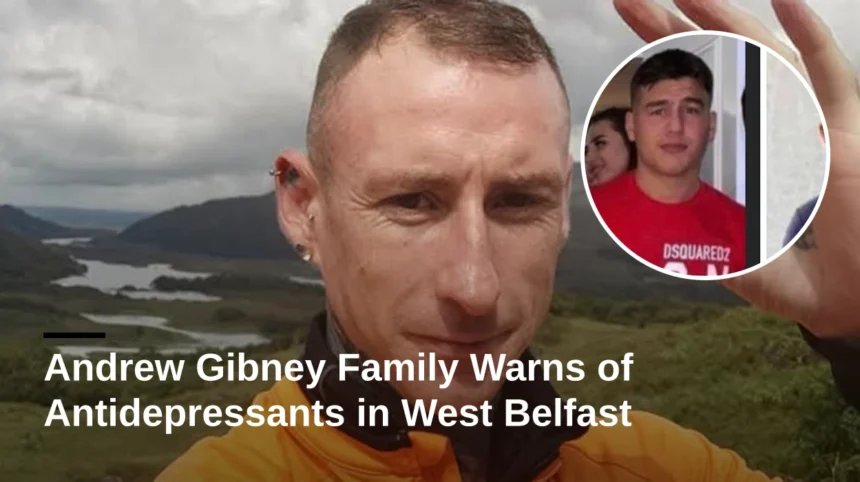
West Belfast (Cambridge Tribune) November 23, 2026 — The family of Andrew Gibney, a 36-year-old father of four who died by suicide on January 11, believes a change to his antidepressant medication contributed to a rapid deterioration in his mental health. His sister, Magz Gibney, told The Irish News that Andrew had recently appeared motivated and focused on living before his condition worsened within weeks of the medication change. The family wants health leaders to examine the possible role of prescribed medicines alongside wider mental health factors.
What did Andrew Gibney’s family say about his death?
As reported by The Irish News, Magz Gibney described her brother as an “absolute character” who was well liked and loved. She said Andrew, a barber and passionate musician, often supported customers who were experiencing mental health difficulties despite struggling with his own wellbeing.
Magz said Andrew had previously experienced thoughts that life was not worth living, but had reached what the family considered a better period several months before his death. She said the change in medication was followed by a severe decline in his mental state.
“Within weeks of this medication being changed, he was in such a bad state,” Magz Gibney told The Irish News.
She said conversations with other bereaved families and people who had taken antidepressants had led relatives to believe similar experiences required greater attention. Magz is campaigning with New Script for Mental Health, which calls for improved mental health services in Northern Ireland.
What do the latest suicide figures show?
The Northern Ireland Statistics and Research Agency recorded 262 suicide deaths in Northern Ireland in 2025, down from 290 in 2024. The figures included 203 men and 59 women, according to reported NISRA data.
NISRA cautioned that annual registration figures can be affected by delays, including lengthy inquest processes. The three-year average of registered suicide deaths rose from 220 in 2023 to 258 in 2025, indicating that a single-year reduction does not necessarily represent a settled long-term trend.
What changes have been announced for antidepressant safety information?
The Medicines and Healthcare products Regulatory Agency announced strengthened safety information after a review prompted by concerns from patients and families. The measures include more prominent warnings about suicidal thoughts and behaviours in patient information materials, along with patient safety cards and leaflets explaining when further support should be sought.
Additional information is also being developed about the benefits and risks of antidepressant treatment. The agency has stressed that patients should not stop taking antidepressants suddenly without first speaking to a healthcare professional.
What is the background to the family’s campaign?
Andrew Gibney had lived with complex mental health difficulties before his death, while his family said he had recently shown signs of renewed motivation. His relatives link the timing of his deterioration to a change in antidepressant treatment, although the available report presents this as the family’s belief rather than an established medical finding. Magz Gibney is now involved with New Script for Mental Health, which campaigns for better services in Northern Ireland. The MHRA’s new safeguards followed wider concerns about how antidepressant risks are communicated to patients and families.
How could this affect families and antidepressant users?
The case may encourage families and patients to raise questions about changes in mood or behaviour after antidepressant treatment is started or altered. Clearer warnings and safety cards could support discussions with prescribers, particularly when patients or relatives notice worsening suicidal thoughts or other serious changes. The MHRA says antidepressants remain effective treatments for many people and that patients should seek medical advice before changing or stopping treatment. For anyone experiencing immediate danger or thoughts of suicide, urgent help should be sought through emergency services or a healthcare professional.