Key Points
- Operation Zoridon: The Met carried out an intensive two-week campaign against retail crime throughout London, making 42 arrests.
- Inspections: The officers inspected about 400 stores believed to be buying and selling stolen goods, along with monitoring car boot sales which are used for fencing of stolen tools.
- Searches and Closure Notices: Valuable stolen items, which included expensive cosmetic items, electric goods, and even food items worth tens of thousands of pounds were seized; formal notices of closures were served upon 11 rogue stores.
- Raid in Lewisham and Clapham: In Lewisham, searches turned up some stolen Tesco tinned mackerel, a machete and also some fake ID documents concealed in a sweet tin and resulted in two arrests. In Clapham, some branded meat products worth £1,000 were seized from large supermarkets along with knives and Class B drugs.
- Responses from the Leaders: The Deputy Commissioner Matt Jukes and Mayor of London Sadiq Khan made it clear that retail crimes impact the confidence of high streets and emphasized that there is a doubling in cases of solved shoplifting crimes in London, with 1,800 extra arrests.
London (West London Times) October 22, 2026 — The Metropolitan Police arrested 42 people and issued closure notices to 11 businesses during a two-week Operation Zoridon crackdown targeting retail crime across the capital. Officers inspected approximately 400 shops and monitored car boot sales, recovering tens of thousands of pounds worth of suspected stolen goods, including cosmetics, electrical equipment and food products.
- Key Points
- What Were the Key Findings of Operation Zoridon in London?
- How Did Police Uncover Rogue Businesses and Stolen Goods?
- What Specific Incidents Led to Arrests in Lewisham and Clapham?
- What Did City Hall and Police Leadership Say About the Crackdown?
- What Is the Background Behind Metropolitan Police’s Retail Crime Crackdown?
- How Will This Retail Crime Crackdown Affect London Retailers and Consumers?
The operation aimed to disrupt the trade in stolen merchandise, hold rogue businesses accountable and protect legitimate retailers, while intensified enforcement has contributed to a doubling of solved shoplifting offences across London and 1,800 additional arrests.
What Were the Key Findings of Operation Zoridon in London?
As reported by Michael Howie of Evening Standard, police forces across the capital targeted car boot sales and hundreds of commercial shops during a concentrated two-week crackdown designed to eradicate markets for stolen property. Throughout the operation, law enforcement authorities successfully recovered tens of thousands of pounds in stolen goods. The seized inventory spanned a wide array of commodities, ranging from high-end cosmetics and electrical appliances to everyday food products.
Furthermore, formal closure notices were slapped onto 11 separate retail establishments identified as active hubs for receiving and reselling stolen items. As reported by Michael Howie of Evening Standard, the operation was preceded by months of intelligence gathering, during which retailers and Trading Standards worked hand in hand with the Metropolitan Police to pinpoint rogue traders operating within local communities. In addition to physical storefronts, the initiative also cast a wide net over car boot sales, which investigators found were increasingly exploited by criminal networks to fence stolen tools and equipment.
How Did Police Uncover Rogue Businesses and Stolen Goods?
The meticulous planning behind Operation Zoridon allowed officers to target every tier of the criminal ecosystem, ranging from prolific shoplifters operating on commission to commercial buyers providing a lucrative outlet for stolen goods. As reported by Michael Howie of Evening Standard, Deputy Commissioner Matt Jukes stated that
“Honest retailers have been clear that they want action against the minority of rogue businesses that fuel retail crime, undercut legitimate traders and damage confidence in our high streets.”
Expanding on the operational strategy, Deputy Commissioner Matt Jukes stated that
“This Met operation has done exactly that, targeting those who create a market for stolen goods and profit from criminality.”
“Over the last two weeks, Met officers have targeted every stage of the criminal chain, from prolific shoplifters stealing to order through to the shop owners buying and reselling stolen goods. Tens of thousands of pounds worth of suspected stolen goods have been seized, shop owners arrested and businesses closed down.”
Reinforcing the hardline stance of the force, Deputy Commissioner Matt Jukes stated, as reported by Michael Howie of Evening Standard, that
“Those results send a clear message: if you profit from retail crime, you will be arrested. Working alongside partners such as retailers and Trading Standards, we will use every power available to disrupt this criminality, protect honest businesses and make London’s high streets safer.”
What Specific Incidents Led to Arrests in Lewisham and Clapham?
The two-week deployment yielded concrete evidence of organised criminality during routine and targeted inspections across different London boroughs. As reported by Michael Howie of Evening Standard, a licensing check conducted at a retail shop in Lewisham led officers to discover suspected stolen Tesco tinned mackerel being openly offered for sale.
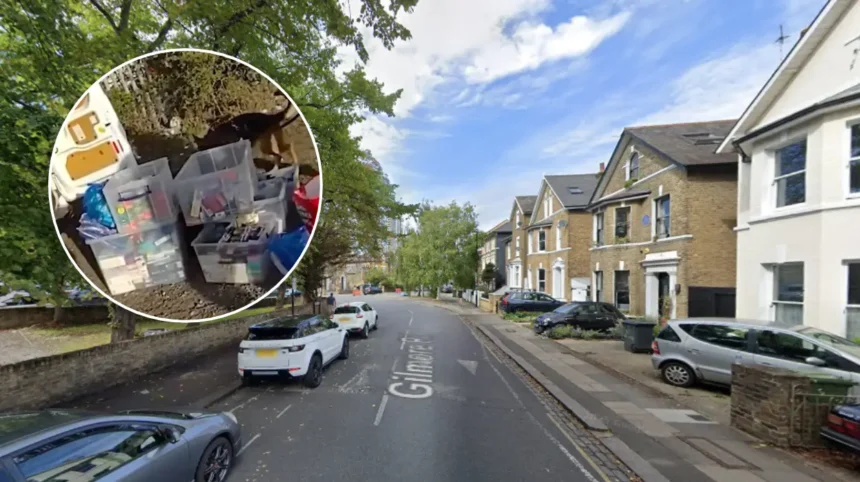
Subsequent searches of the Lewisham premises uncovered far more dangerous contraband, including a machete alongside suspected stolen passports and driving licences cleverly concealed inside a sweet tin. Consequently, two suspects were taken into custody on multiple charges, including handling stolen goods and the possession of an offensive weapon.
In a separate enforcement action in Clapham, officers carried out a thorough inspection of another commercial retail premises. As reported by Michael Howie of Evening Standard, this visit resulted in two additional arrests after officers recovered approximately £1,000 worth of branded meat products stolen from prominent supermarkets including Sainsbury’s, Co-op, and Iceland. Alongside the stolen groceries, police confiscated two knives and a substantial quantity of Class B drugs.
What Did City Hall and Police Leadership Say About the Crackdown?
The operation received strong backing from municipal leaders who emphasized the broader societal and economic ramifications of retail theft. As reported by Michael Howie of Evening Standard, Mayor of London Sadiq Khan stated that “Our world-class retailers, high streets and town centres attract millions of visitors from across the UK and around the globe.”
Underscoring the financial and operational backing from local government, Mayor of London Sadiq Khan stated, as reported by Michael Howie of Evening Standard, that
“Backed by record investment from City Hall, I’m pleased the Met is working closely with retailers and partners to disrupt every part of the shoplifting chain.”
Addressing the timing and human cost of retail offences, Mayor of London Sadiq Khan stated, as reported by Michael Howie of Evening Standard, that
“Shoplifting is not a victimless crime. The lead up to Christmas is vital to London’s economy and we must do everything we can to prevent criminals exploiting busy shopping periods and inflicting so much misery on our hardworking business owners and staff.”
Elaborating on technological and investigative enhancements, Mayor of London Sadiq Khan stated, as reported by Michael Howie of Evening Standard, that
“That’s why the Met is stepping up action against the most prolific offenders, using new technology to link offences across stores and locations, identify repeat offenders and build stronger cases for prosecution.”
Highlighting measurable progress across the capital, Mayor of London Sadiq Khan stated, as reported by Michael Howie of Evening Standard, that
“Thanks to intensified action by the Met and its partners, the number of shoplifting offences being solved has doubled, leading to 1,800 additional arrests.”
Concluding his remarks on future commitments, Mayor of London Sadiq Khan stated, as reported by Michael Howie of Evening Standard, that.
“But there is more to do, and I will continue working with the police, retailers and local partners to make London a no-go zone for shoplifters and build a safer city for everyone.”
Explore more West London Police News:
Rude graffiti over Shepherds Bush wall prompts police appeal in West London 2026
Hounslow Police Warn of Rising Street Robberies and Phone Snatches 2026 – Hounslow
What Is the Background Behind Metropolitan Police’s Retail Crime Crackdown?
Retail crime and commercial shoplifting have remained persistent challenges for metropolitan law enforcement agencies across the United Kingdom, exerting severe financial pressures on high street retailers, independent shopkeepers, and major supermarket chains alike. In recent years, commercial theft evolved from opportunistic petty crime into sophisticated, coordinated operations involving organised criminal networks that steal goods to order and rely on rogue secondary markets—such as unregulated convenience stores and informal car boot sales—to launder and resell the stolen items.
Recognising that tackling shoplifters alone was insufficient to stem the tide of retail losses, the Metropolitan Police, in collaboration with local authority Trading Standards departments and major retail federations, developed strategic initiatives like Operation Zoridon. This holistic framework focuses heavily on dismantling the demand side of illicit trade—the rogue merchants who purchase stolen property, thereby fueling further criminality. By combining intelligence-led licensing inspections, multi-agency enforcement visits, and advanced digital evidence-linking tools, the Met police sought to restore commercial confidence and protect legitimate enterprises struggling against unfair competition from under-the-counter fencing operations.
How Will This Retail Crime Crackdown Affect London Retailers and Consumers?
The successful execution of Operation Zoridon and the doubling of solved shoplifting offences across London are poised to deliver profound impacts across multiple key stakeholder groups within the capital:
- High Street Retailers and Small Business Owners: Legitimate traders and independent shopkeepers will experience immediate relief from unfair commercial undercutting. By shutting down rogue businesses that act as clearance houses for stolen inventory, honest merchants face reduced competitive distortion. Furthermore, increased police visibility and rigorous enforcement bolster confidence among retail staff, shielding businesses from substantial inventory shrinkage.
- Consumers and Shoppers: Everyday shoppers stand to benefit from safer, more secure retail environments across London’s town centres and high streets. Curbing organized retail crime helps stabilise commodity pricing, as retailers absorb lower overhead losses from shrinkage, while also ensuring that public spaces remain welcoming and free from illicit trading.
- Organised Criminal Networks and Rogue Traders: Criminal syndicates and unscrupulous shop owners profit-driven by retail theft face heightened operational risks. With 42 arrests, 11 business closures, and advanced data-linking technologies tracking repeat offenders across multiple boroughs, rogue traders can no longer operate with impunity. The crackdown effectively signals that fencing stolen goods carries severe judicial and commercial penalties.