Key Points
- Tenants at a House in Multiple Occupation (HMO) on Queen’s Gate Terrace in Kensington have been left without working washing machines for over four months.
- The issue arose following a contested handover between former property managers and a newly appointed management firm.
- Former management removed the existing laundry appliances upon departure, leaving residents without access to basic cleaning amenities since May.
- Residents report spending up to £100 per month each on commercial laundrette and laundry services to clean their clothes.
- Strict tenancy guidelines remain enforced at the address, including a prohibition on overnight guests and strict regulations on communal space usage.
- Communication between property managers, building owners, and affected tenants remains fraught as residents seek financial reimbursement and immediate utility restoration.
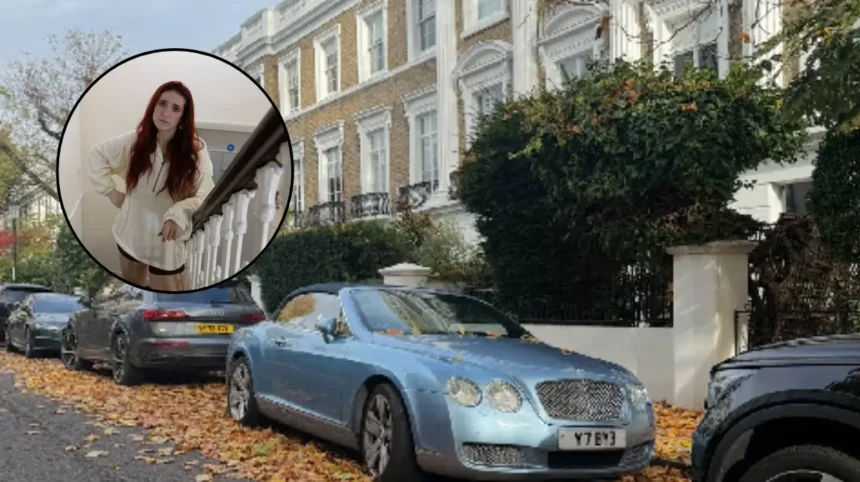
London (West London Times) October 12, 2026 – Tenants residing within a House in Multiple Occupation (HMO) situated in an affluent street in Kensington have been forced to go without on-site washing facilities for more than four months following a disrupted transition between property management companies.
Residents at the address on Queen’s Gate Terrace reported that their daily living conditions deteriorated significantly after the previous management company removed the property’s existing washing machines and drying appliances in May. The removal occurred immediately prior to handing over operational responsibilities to a incoming management firm. The sudden removal of the communal utilities left multi-occupancy residents with no immediate means to wash clothing or linen within the building.
Lucy, a resident at the Queen’s Gate Terrace property who requested to keep her surname anonymous to protect her tenancy status, explained that the ongoing absence of basic facilities has created significant financial burden and disruption. Lucy stated that she has been forced to spend up to £100 per month on external commercial laundry services and local laundrettes since the communal machines were dismantled and taken away in May.
The situation highlight ongoing friction surrounding private residential sector handovers, particularly within high-value boroughs where properties are subdivided into multi-tenant units. Despite the high rental costs associated with the Kensington area, tenants report that basic maintenance and utility provision fell through the cracks while the outbound and inbound management firms disputed terms of contract, asset ownership, and building maintenance responsibilities.
How Have Tenants Been Impacted by Building Rules and Lack of Amenities?
The loss of basic laundry amenities has added significant operational expenditure to the monthly living costs of those residing within the property. For tenants like Lucy, the unexpected requirement to outsource basic hygiene needs has added hundreds of pounds to personal outgoings over the summer and autumn months.
According to statements provided by residents, the loss of appliances was not accompanied by any temporary rent reductions or subsidies to cover off-site cleaning services. Tenants have had to transport heavy laundry loads to nearby commercial premises, balancing work schedules around laundrette opening hours.
Why Are Tenancy Rules Causing Further Frustration Among Residents?
Adding to tenant dissatisfaction are the ongoing house rules enforced within the Queen’s Gate Terrace premises. Despite the lack of fully functional communal infrastructure, property regulations remain strictly monitored and enforced.
Among the rules highlighted by occupants is a total ban on overnight guests. Tenants report that visitors are strictly restricted from staying past evening hours, a rule that residents claim feels disproportionately restrictive given the ongoing failure to supply advertised standard amenities such as functional washing appliances.
Further house restrictions include strict governance over communal areas, storage limits in shared spaces, and specific schedules regarding waste disposal and quiet hours.
Tenants contend that while management enforces compliance regarding tenant obligations and restrictive visitor policies, corporate responsibilities regarding property upkeep and basic service provision have not been met with similar urgency.
Who Holds Responsibility for the Disputed Property Handover?
The primary cause of the ongoing utility service disruption stems from a breakdown in contract terms during a managerial handover. As reported by local media coverage, the outgoing property management firm claimed ownership of the physical washing machines installed within the communal utility space. Upon termination of their management agreement in May, the firm uninstalled and retrieved the equipment.
The incoming property management company, upon assuming day-to-day administrative oversight of the Queen’s Gate Terrace HMO, did not immediately replace the removed equipment. The gap in service created an extended period where neither firm accepted liability for supplying replacement appliances or reimbursing residents for secondary costs incurred.
Explore More Local West London News
Campaigners Question Ealing Council Progress on Victoria Hall Scheme Ealing 2026
Ealing Council Issues Zero E-Bike Fines Ealing 2026
What Statements Have Been Made by Property Representatives?
Representatives involved in the building’s administration have acknowledged the delays while pointing to contractual logistics, supply chain delays, and disputes over asset transfer responsibility between corporate entities.
According to statements gathered regarding the handover process, the new management firm indicated that steps are being taken to procure and install replacement laundry machinery suitable for an HMO property of this scale.
However, precise timelines for installation and testing have repeatedly shifted over the four-month span, leaving occupants uncertain as to when standard facilities will be restored.
Tenants continue to request formal clarification regarding whether historical expenses incurred at external laundrettes will be compensated or offset against future rent payments by the property owner or management firm.
Background
Houses in Multiple Occupation (HMOs) in England are subject to specific legal regulations regarding licensing, safety standards, and minimum amenity provision under the Housing Act 2004 and local authority licensing frameworks. Local councils, including the Royal Borough of Kensington and Chelsea, enforce strict criteria to ensure that properties housing multiple independent households maintain adequate cooking, sanitation, and laundry facilities relative to the number of occupants.
When property management duties transition between corporate entities, outgoing managers often audit assets to retrieve equipment purchased directly by their firm. If property owners do not clearly stipulate appliance ownership within their master agreements, operational handovers can stall, leaving tenants vulnerable to protracted service dropouts.
In high-density urban areas like West London, where private rent levels remain among the highest nationally, the balance between regulatory compliance, strict house rules, and tenant quality-of-life standards remains a frequent point of regulatory scrutiny.
Prediction
This ongoing dispute at Queen’s Gate Terrace is likely to accelerate local regulatory intervention and heighten pressure on private sector property management firms operating HMOs across West London.
For the tenants of Queen’s Gate Terrace and similar HMO residents across London, this development will likely lead to increased formal complaints submitted to local council environmental health departments and the Housing Ombudsman. As residents document prolonged utility deprivation alongside strict contract enforcement, local authorities may be compelled to conduct interim inspections, potentially issuing improvement notices to landlords who fail to guarantee standard amenity access.
For property management companies and private landlords, this situation serves as a precedent regarding legal liability during contractual handovers. Management agencies will likely be forced to update transition protocols, ensuring clear covenants regarding fixture and appliance retention to avoid sudden removal of essential tenant utilities. In the longer term, heightened awareness may prompt stricter licensing conditions enforced by inner-London councils, ensuring that amenity continuity is legally mandated throughout corporate management transitions.