


Key Points
- More than 6,100 high street pharmacies across England will offer flu vaccination appointments to eligible school-aged children who missed their school vaccination.
- Bookings open through the National Health Service app and the National Health Service Find a Pharmacy service on November 30, 2026, with appointments from December 1.
- The service covers children from Reception to Year 11, while participating pharmacies also offer nasal-spray vaccinations for eligible two- and three-year-olds.
- Flu hospital admissions in England rose to 9.0 per 100,000 people, compared with 5.0 per 100,000 the previous week.
- Health leaders said vaccination can help protect children and vulnerable relatives, including younger siblings and grandparents.
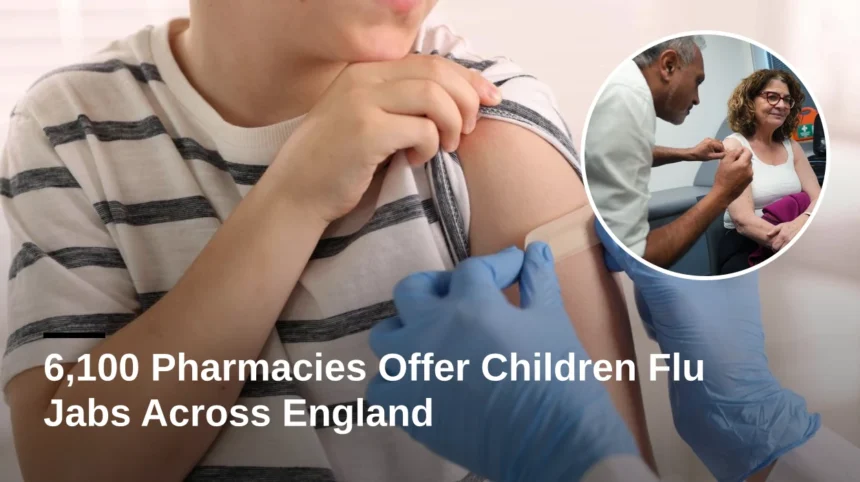
Hillingdon (West London Times) November 28, 2026 – More than 6,100 pharmacies across England are preparing to provide flu vaccinations to school-aged children who missed the programme at school. The National Health Service said bookings will open on November 30 through its app and Find a Pharmacy service, with appointments beginning on December 1. The first national pharmacy catch-up service of its kind comes as flu hospital admissions rise and emergency departments report above-seasonal attendance levels.
How will the pharmacy flu vaccination service work?
As reported by The Independent and confirmed by NHS England, parents can book appointments at participating high street pharmacies for eligible children who did not receive their flu vaccination at school. The service covers children from Reception to Year 11, according to an NHS integrated care board notice. Participating pharmacies will also provide nasal-spray vaccinations for eligible children aged two and three.
NHS England said appointments would be available from December 1, following bookings through the National Health Service app or the National Health Service Find a Pharmacy webpage. Availability may vary between pharmacies, so parents are advised to check participating locations and appointment slots before travelling.
Why are health officials urging parents to act?
Professor Frankie Swords, National Health Service national medical director, said the pharmacy option would make it easier for parents to arrange protection for children who missed vaccination at school. Professor Swords warned that rising winter viruses could place additional pressure on the National Health Service.
Dr Suzanna McDonald, flu vaccination programme lead at the United Kingdom Health Security Agency, said vaccinating schoolchildren also helps protect younger siblings and vulnerable relatives. She urged parents not to dismiss the importance of annual flu vaccination for children aged two and over.
The United Kingdom Health Security Agency reported that more than 3.5 million children from Reception to Year 11 had already received their flu vaccination. Dr Matt Swallow, clinical lead at Asthma + Lung UK, said flu could be particularly dangerous for young children, including the 1.2 million children living with asthma.
What do the latest flu figures show?
Flu hospital admissions in England reached 9.0 per 100,000 people in the latest reported week, up from 5.0 per 100,000 seven days earlier and 4.9 per 100,000 during the equivalent week in 2025. The United Kingdom Health Security Agency said the rate was higher at that point in November than in any previous year of the decade.
The agency also confirmed that attendances at hospital emergency departments for flu-like illness were above seasonally expected levels. Dr McDonald told BBC Radio 4’s Today programme that admissions had risen by 80% in the latest weekly data and that the increase was occurring earlier than the previous season.
Henry Gregg, chief executive of the National Pharmacy Association, said pharmacies had vaccinated millions of patients but that more needed to be done to promote the catch-up service to eligible families.
What is the background to the pharmacy catch-up service?
The school flu programme offers vaccination to children across England, but some children miss appointments because of absence, consent issues or operational difficulties. The new pharmacy arrangement provides an additional route for school-aged children who were not vaccinated through the school programme. NHS England announced the service on November 28, 2026, with bookings due to open two days later. The rollout follows increased flu activity and rising pressure on hospitals.
How could this affect pharmacies and families?
The service is expected to give participating pharmacies a larger role in reaching children who missed school vaccination. Parents in the eligible group will have an alternative to arranging a catch-up appointment through other healthcare services, subject to local availability. Earlier vaccination could reduce children’s risk of serious illness and limit transmission to households and vulnerable relatives. Pharmacies may also face increased demand for appointments as families respond to the rise in flu admissions.