Key Points
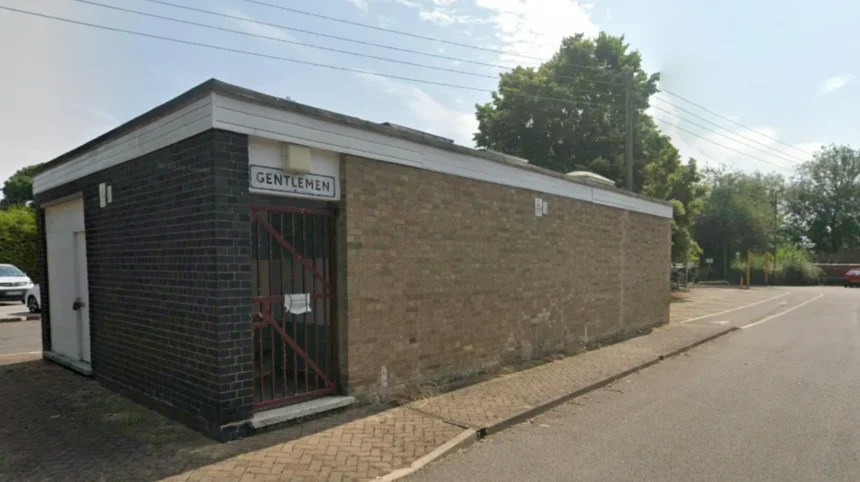
- A disused former public toilet block located at the entrance of Roxeth Recreation Ground in South Harrow could soon be transformed into a community café.
- Steven Muscat has submitted an official planning application to Harrow Council on behalf of MAD HUTZ CIC to repurpose the municipal building off Kingsley Road.
- The proposed community hub aims to serve affordable refreshments to park visitors while offering localized work experience, volunteering opportunities, and a pay-it-forward scheme.
- Plans indicate that the existing brick structure and tiled roof will be retained, with the long-closed public conveniences being replaced internally by a dedicated staff toilet.
- Proposed trading hours for the café stand at 8:00 AM to 4:00 PM on weekdays, and 10:00 AM to 2:00 PM on weekends and bank holidays.
- Alongside catering services, the organizing group intends to host men’s mental health and wellbeing workshops.
- The property is owned by Harrow Council, with lease negotiations for a term of just under seven years underway while the planning application awaits a formal statutory decision.
uk/local/harrow/south-harrow/">South Harrow (West London Times) November 10, 2026 — A disused public toilet block situated at the gateway of Roxeth Recreation Ground in South Harrow could undergo a radical urban transformation into a vibrant community-led café, according to local planning filings submitted on November 9, 2026.
What Are the Core Proposals for the Former South Harrow Toilet Block?
As reported by Chris Mitchell of Harrow Online, applicant Steven Muscat has formally applied to Harrow Council on behalf of MAD HUTZ CIC to convert the vacant municipal structure located off Kingsley Road. The initiative seeks to inject renewed commercial and social vitality into a disused corner of the public park by establishing a community café that provides affordable refreshments to park visitors.
Detailing the broader social objectives of the scheme, Chris Mitchell of Harrow Online noted that the organizing group intends to
“offer local people work experience and volunteering opportunities, alongside a pay-it-forward scheme for people on low incomes or experiencing homelessness”.
Furthermore, the project scope extends beyond food and beverage services; the community interest company actively runs specialized support sessions, including workshops focused specifically on men’s mental health and wellbeing.
Will There Be Any Major Structural Alterations to the Building?
According to architectural blueprints and design statements lodged with the local authority, the project is designed to respect the aesthetic integrity of the existing park architecture. As outlined by Chris Mitchell of Harrow Online, the
“group plans to keep the existing brick building and tiled roof”
intact, minimizing disruptive construction work within the green space.
Internal modifications will primarily focus on functional reconfiguration. Chris Mitchell of Harrow Online reported that the
“public toilet, which has been closed for some time, would be replaced with a staff toilet”
to accommodate operational sanitation requirements. Proposed trading hours have been structured to align with community park usage, slated for 8:00 AM to 4:00 PM on weekdays, and 10:00 AM to 2:00 PM on weekends and bank holidays.
What is the Current Status of the Planning Application and Lease Negotiations?
The property itself is under the ownership of Harrow Council, tying the physical development directly into municipal asset management strategies. As detailed by Chris Mitchell of Harrow Online, when the application was formally lodged in October, “the group was still negotiating a lease of just under seven years”.
The proposals are currently awaiting a formal statutory decision from Harrow Council’s planning department. Local residents, park users, and community stakeholders can examine the complete planning documentation and follow the decision-making trajectory via the council’s online planning portal.
Background of the Particular Development
The proposal to convert the Roxeth Recreation Ground toilet block fits into a broader municipal strategy by the London Borough of Harrow to revitalize underutilized or vacant public buildings situated across local parks and open spaces. Municipal authorities across Greater London have increasingly sought to transfer redundant municipal assets—such as former bowls pavilions, scout huts, chapel offices, and defunct public conveniences—into community-focused enterprises.
By inviting imaginative, business-oriented, and commercially viable proposals from local organizations, social enterprises, and sole traders, councils aim to reduce municipal maintenance liabilities while simultaneously fostering civic pride, increasing park activation, and mitigating potential anti-social behavior. Initiatives like MAD HUTZ CIC’s café proposal reflect a growing reliance on third-sector partnerships to deliver grassroots social value, combining micro-retail services with mental health outreach and vocational training within public recreational grounds.
Prediction
This development could positively influence the immediate South Harrow community by transforming a derelict, shuttered structure into an active social anchor that enhances public safety through natural surveillance and regular foot traffic at the park entrance. For local residents, families visiting Roxeth Recreation Ground, and vulnerable individuals benefiting from the pay-it-forward scheme or wellbeing workshops, the café promises accessible nourishment and localized support networks. Economically, it provides tangible work placement pathways for jobseekers and volunteers while demonstrating how municipal authorities can successfully repurpose redundant public assets to foster community resilience and grass-roots enterprise.