

Key Points
- Bridget Phillipson defended Prime Minister Andy Burnham’s engagement with social media influencers.
- She described Max Balegde’s deleted video outside Downing Street as “totally unacceptable”.
- Downing Street said content creators remain responsible for what they post.
- Balegde apologised to anyone offended and blamed right-wing commentators for the controversy.
- The Government said influencer engagement helps ministers reach people who obtain news through social media and podcasts.
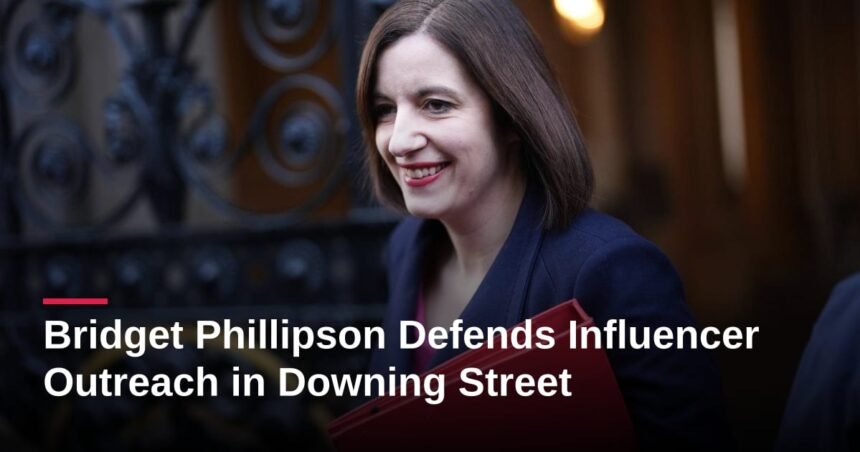
Downing Street (West London Times) November 25, 2026 – Women and Equalities Minister Bridget Phillipson has defended Prime Minister Andy Burnham’s decision to engage with social media influencers, despite criticism over a deleted video filmed outside No 10. Phillipson said the video posted by TikTok creator Max Balegde was “totally unacceptable” but argued that politicians should communicate with audiences through the platforms they use. The comments followed a reception for content creators hosted by Burnham earlier this month.
- Key Points
- Why did Bridget Phillipson defend Andy Burnham’s influencer outreach?
- What happened in Max Balegde’s Downing Street video?
- What did Max Balegde say about the controversy?
- What is the background to the Government’s influencer strategy?
- How could the controversy affect the Government’s influencer outreach?
Why did Bridget Phillipson defend Andy Burnham’s influencer outreach?
As reported by the Harrow Times, Phillipson told BBC Breakfast that politicians should seek to reach people who consume news through social media platforms and podcasts. She said the Prime Minister was right to “reach people where they are”.
Phillipson said the Government could not control everything people said or did, but added that she was glad Balegde had removed the video. She described the post as unacceptable while separating it from the broader policy of speaking with online creators.
The Independent reported that Phillipson also defended Burnham’s meetings with social media figures, saying ministers should communicate through different media outlets as public news consumption changes.
What happened in Max Balegde’s Downing Street video?
Balegde filmed himself outside the black door of No 10 while miming explicit lyrics from a viral meme song. The video was posted after he attended the content creators’ reception and was later removed following criticism.
According to the Independent, Downing Street described the post as “clearly not acceptable”. The Prime Minister’s spokesman said content creators were responsible for the material they published, while defending invitations to influencers who reach people outside traditional news audiences.
The BBC reported that Conservative critics accused Burnham of turning No 10 into a “joke”. The criticism also followed an earlier incident involving another TikTok influencer who filmed a dance recreation inside Downing Street.
What did Max Balegde say about the controversy?
The Huffington Post reported that Balegde said his content was intended to be “silly, fun, and light-hearted”. He apologised to anyone offended by the video and said he removed it after the controversy intensified.
Balegde also blamed what he called “revolting right-wing people” for promoting what he described as a negative narrative about the clip. He said the video was not intended to cause offence.
What is the background to the Government’s influencer strategy?
Andy Burnham’s administration has used meetings with online creators to communicate with audiences, particularly younger people, who may not obtain news from traditional media. Downing Street has said influencers can reach millions of people through social platforms. The strategy has faced scrutiny after creators published controversial material linked to official engagements. Ministers have defended the outreach while saying creators remain responsible for their own posts.
How could the controversy affect the Government’s influencer outreach?
The dispute may lead to closer scrutiny of which creators are invited to official events and how content recorded around government buildings is handled. Phillipson’s comments indicate that the Government does not intend to abandon influencer engagement because of one deleted post. Downing Street’s distinction between official outreach and creators’ individual responsibility may shape future arrangements. The controversy could also make future audiences more attentive to the standards expected from influencers working around public institutions.