


Key Points
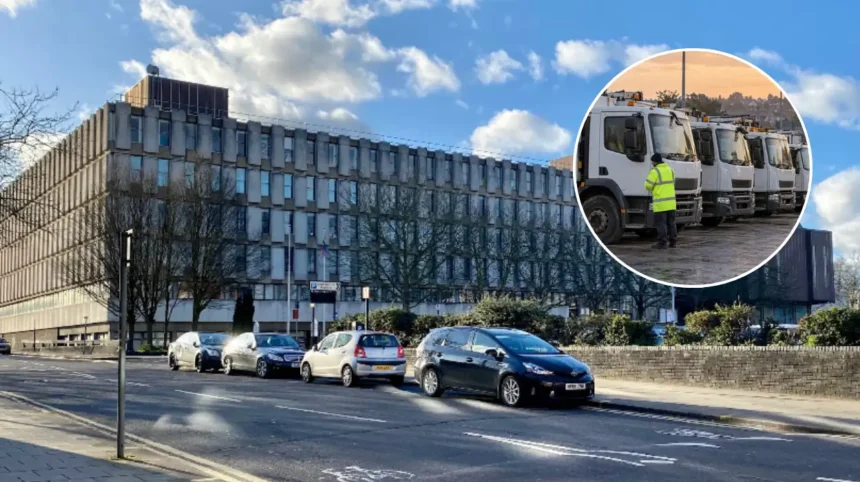
- Procurement Approval: Harrow Council’s Cabinet has approved the procurement program and contracts for replacing 86 vehicles that have been used in important borough services.
- Breakdown of Vehicle Fleet: Replacement vehicle fleet approved includes 33 refuse collection vehicles, 33 tippers, 8 cars, 8 small vans, 2 cranes, and 2 dumpers.
- Allocated Vendors: The refuse vehicles will be provided by Dennis Eagle; Lookers and HTC DAF will provide the tippers; HTC DAF will provide cranes; Lookers will provide cars and small vans; and Cautrac will provide dumpers.
- Investment Amount: £12,581,434 capital budget (excluding VAT) has been created; this has been based on quotes worth £12,404,269, thus providing a cushion of £177,165 in case of increase in prices.
- Financing of the Project: The financing of the project is through borrowing, which will incur an estimated cost of capital financing per year amounting to £2,108,726 starting from 2028/29.
- Environmental Adaptability: The replacement layout gives provision for full electric and plug-in hybrid vehicles where operationally viable and feasible.
uk/local/harrow/">Harrow (West London Times) September 26, 2026 — Harrow Council has officially approved a sweeping financial and operational framework to overhaul its ageing municipal fleet by greenlighting contracts for 86 replacement frontline vehicles. As reported by the LDN Editor of London Daily News, the official decision was formally published on September 25 following a crucial Cabinet deliberation held the preceding evening. The procurement scheme targets vital civic operations spanning refuse collection, street cleansing, and local grounds maintenance throughout the borough.
- Key Points
- Who Are the Chosen Manufacturing and Supply Partners?
- Why is Harrow Council Replacing its Operational Fleet Now?
- How Much Will the Fleet Replacement Programme Cost Taxpayers?
- Will the New Fleet Include Electric or Hybrid Vehicles?
- Background of the Fleet Modernisation Development
- How This Development Can Affect Harrow Residents
The extensive vehicle lineup encompasses 33 refuse collection vehicles, 33 tippers, 8 cars, 8 small vans, 2 cranes, and 2 dumpers. Emphasising the procedural status of the move, the London Daily News report clarifies that this milestone constitutes an authorized procurement agreement rather than an immediate deployment announcement, meaning formal equipment orders and subsequent deliveries remain scheduled for a later timeline.
Who Are the Chosen Manufacturing and Supply Partners?
Breaking down the distribution of manufacturing contracts, the council’s strategic blueprint assigns specific industrial providers across the vehicle categories. As outlined by the LDN Editor of London Daily News, Dennis Eagle has been selected to manufacture and supply the bulk share of heavy machinery, providing all 33 specialized refuse collection vehicles.
Furthermore, the supply responsibilities for the 33 tippers are divided between Lookers and HTC DAF, with HTC DAF additionally contracted to deliver the two heavy-duty cranes. The administrative cars and small light commercial vans are allocated to Lookers, while Cautrac has been designated to provide the two dumpers required for specialised groundwork.
Why is Harrow Council Replacing its Operational Fleet Now?
The deployment scope extends well beyond standard domestic bin rounds, directly servicing day-to-day borough maintenance that relies heavily on specialist transport availability. As highlighted by the LDN Editor of London Daily News, municipal authorities emphasized that the initiative aims to preserve reliable assets for essential public provisions, phase out machinery reaching the end of its active operational lifecycle, and curb escalating maintenance expenditures and workshop downtime.
From a local resident perspective, administrative evaluations stress that a disabled refuse truck or tipper creates severe logistical knock-on effects, placing strain on scheduled collections and depleting reserve fallback vehicles. The council’s internal risk assessment explicitly warns that retaining the older, deteriorating fleet units any longer would inflate ongoing repair bills, degrade service reliability, and heighten the overall probability of public disruption.
How Much Will the Fleet Replacement Programme Cost Taxpayers?
Financial documentation presented to the Cabinet established an overall capital expenditure budget capped at £12,581,434, calculated excluding VAT. Competitive market quotations gathered during June pinned the projected aggregate baseline cost for all 86 units at £12,404,269. The resulting financial variance of £177,165 has been purposefully integrated to absorb potential market price fluctuations before final orders are formally executed, mitigating the need for secondary administrative approvals.
The venture is set to be funded via formal borrowing structures. Projected figures indicate that initial interest obligations of £558,192 will register during the 2027/28 spending phase. Starting from 2028/29—the point at which full repayment charges initiate—the estimated annual capital financing commitment will reach £2,108,726. This marks an approximate increase of £1.156 million compared to the servicing costs of the legacy fleet, driven by higher modern vehicle price tags and elevated borrowing rates.
Consequently, the local authority has flagged a prospective budget pressure of roughly £350,000 beginning in the 2028/29 financial cycle, which must be absorbed via upcoming medium-term financial planning. Officials noted these monetary metrics reflect baseline replacement projections rather than direct alterations to domestic council services or household tax rates.
Will the New Fleet Include Electric or Hybrid Vehicles?
The procurement framework accommodates the integration of fully electric and plug-in hybrid variants where operational parameters allow, though it does not mandate a complete universal transition to alternative fuels. As detailed by the LDN Editor of London Daily News, vehicle selections remain strictly contingent upon functional demands, prevailing technology readiness, and whether depot charging facilities can adequately scale to support them.
Complementary municipal assessments are currently underway regarding required hub charging infrastructure. Traditional combustion engines or conventional replacements will remain the default choice wherever alternative-fuel architectures prove unviable for heavy refuse operations. Furthermore, internal risk assessments caution that prospective supply chain bottlenecks, manufacturing lead times, and delivery delays must be proactively managed through supplier engagement, with fleet charging capabilities treated as an independent administrative variable.
Explore more Harrow News:
Man Charged After Dramatic Police Chase and Drug Seizure in Pinner 2026
High Court Penalises Driver Over £9,000 For Enfield Stunts, Harrow 2026
Background of the Fleet Modernisation Development
Local authorities across England face mounting pressures regarding the operational integrity of municipal infrastructure. Over the past decade, austerity measures, inflation, and disruptions in global supply chains have forced many councils to extend the lifecycles of commercial fleets well beyond their optimal working windows. Refuse collection and street cleansing vehicles endure intensive, high-stop operational environments that accelerate wear and tear.
In boroughs like Harrow, maintaining a dependable fleet is vital to preventing missed collections and environmental hazards. However, stringent capital financing rules and constrained revenue budgets mean that purchasing multi-million-pound commercial vehicles requires extensive procurement cycles, careful capital borrowing, and long-term risk management. The shift toward low-emission technology further complicates municipal procurement, requiring councils to balance statutory environmental targets against the practical realities of depot charging infrastructure and heavy-duty vehicle capability.
How This Development Can Affect Harrow Residents
For Harrow residents, the approval of these procurement contracts introduces a critical transition period over the next few years. In the short term, service delivery will continue to rely on the existing legacy fleet while manufacturing partners—such as Dennis Eagle, Lookers, HTC DAF, and Cautrac—build and deliver the 86 ordered units. Residents may experience steady service consistency provided that maintenance teams can bridge the gap before the new vehicles arrive.
Once deployed, the introduction of modern refuse trucks, tippers, and specialist maintenance vehicles should substantially reduce mechanical breakdowns, minimize missed street cleansing rounds, and improve overall operational reliability across all local wards. However, because the capital program is funded through council borrowing, the resulting £2.11 million annual financing costs and projected medium-term budget pressures will require careful navigation by financial planners. This could indirectly influence future budgetary trade-offs or savings targets within Harrow Council’s wider municipal portfolio.