

Key Points
- A subway beneath the A40 in Park Royal has been transformed with a colourful new mural celebrating industrial history and the local community.
- Titled ‘Park Royal: Then and Now’, the artwork is installed at the Masons Green Lane Subway, a heavily utilized route for area residents and workers.
- The project was commissioned and funded by the Old Oak and Park Royal Development Corporation (OPDC).
- The mural was brought to life by Ealing-raised artist Andrew Werdna with active assistance from young people at the nearby Minerva Works Circular Economy School.
- Local residents supplied personal photographs depicting everyday life in Park Royal, which served as direct inspiration for the final design.
Park Royal, West London (West London Times) October 28, 2026 — A colourful new mural titled ‘Park Royal: Then and Now’ has transformed the Masons Green Lane Subway beneath the A40, celebrating the area’s industrial heritage and local community through artwork commissioned and funded by the Old Oak and Park Royal Development Corporation (OPDC).
Created by uk/local/ealing/">Ealing-raised artist Andrew Werdna with the involvement of young people from the Minerva Works Circular Economy School and inspired by photographs contributed by local residents, the project aims to enhance the public environment, strengthen community identity and connect Park Royal’s past with its present.
H2: What is the Story Behind the New Park Royal Subway Mural?
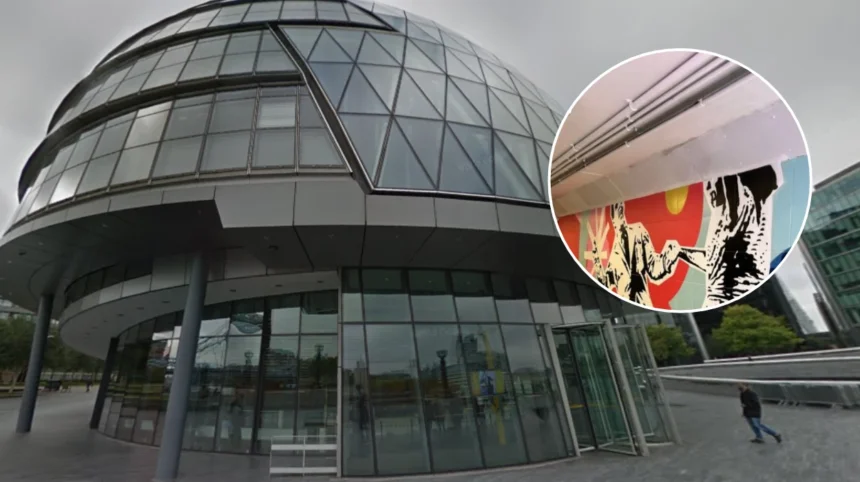
As reported by Ian Miller of Ealing.NEWS, a subway beneath the A40 in Park Royal has been transformed with a colourful new mural celebrating the area’s industrial history and local community. Entitled “Park Royal: Then and Now”, the newly unveiled artwork has been firmly established at the Masons Green Lane Subway, which serves as a heavily trafficked thoroughfare regularly utilised by local residents and commuters alike.
According to further details provided in the publication by Ian Miller of Ealing.NEWS, the public art initiative was officially commissioned and generously funded by the Old Oak and Park Royal Development Corporation (OPDC). The creative execution of the project was spearheaded by Ealing-raised artist Andrew Werdna, who collaborated closely with young people participating at the nearby Minerva Works Circular Economy School. Furthermore, community engagement played a vital role in shaping the aesthetic, with local residents contributing a collection of photographs showcasing everyday life in Park Royal to inspire the final design concept.
Explore more Ealing News:
Free Heart Checks Provided for Southall Football Club Players in Southall 2026
Ealing Block of Flats Sinking as Residents Fear Collapse in West London 2026
H2: How Did Artist Andrew Werdna and the Community Bring the Project to Life?
Reflecting on the completion and installation of the vibrant community artwork, artist Andrew Werdna shared his personal connection to the neighbourhood. As reported by Ian Miller of Ealing.NEWS, Andrew Werdna stated that
“Having grown up in Ealing, Park Royal has always been part of my West London, so it’s a real privilege to leave something here. The subway is a space people use every day but rarely stop to notice. We wanted to change that.”
The collaborative effort integrated contributions from students at the Minerva Works Circular Economy School alongside archival and contemporary photographs provided by local community members. By combining historical industrial motifs with modern community snapshots, the artwork successfully bridges past and present eras of the local area, turning an ordinary and utilitarian pedestrian tunnel into an engaging visual gallery.
H2: Background of the Particular Development
The revitalization of the Masons Green Lane Subway sits within a broader framework of urban regeneration and cultural enhancement initiatives across West London. The Old Oak and Park Royal Development Corporation (OPDC) was established to oversee one of the country’s largest regeneration areas, bridging the boroughs of Ealing and Brent. While much of the corporation’s focus historically centres on large-scale infrastructure, transport interchanges, and housing developments, community-led cultural projects like the Park Royal subway mural represent a deliberate effort to improve public realm experiences, foster civic pride, and enhance pedestrian pathways. Public art installations in industrial and transit zones are increasingly utilised by municipal and development authorities across the United Kingdom to deter anti-social behaviour, brighten neglected municipal infrastructure, and build stronger connections between transient working populations and resident communities.
H2: Prediction on How This Development Can Affect the Particular Audience
For the local residents, workers, and students who traverse the Masons Green Lane Subway beneath the A40 on a daily basis, the introduction of the ‘Park Royal: Then and Now’ mural is anticipated to significantly alter their routine commuting experience. By replacing dull, utilitarian concrete with colourful, locally inspired imagery, the project fosters a renewed sense of place and local identity among a transient workforce and residential population. In the long term, initiatives of this nature can boost mental well-being for pedestrians, encourage greater civic engagement, and demonstrate the tangible benefits of grassroots collaboration between development corporations, local schools, and artists. For young participants from the Minerva Works Circular Economy School and local photography contributors, direct involvement in a public art commission instils a lasting sense of ownership and pride in the physical transformation of their neighbourhood.