


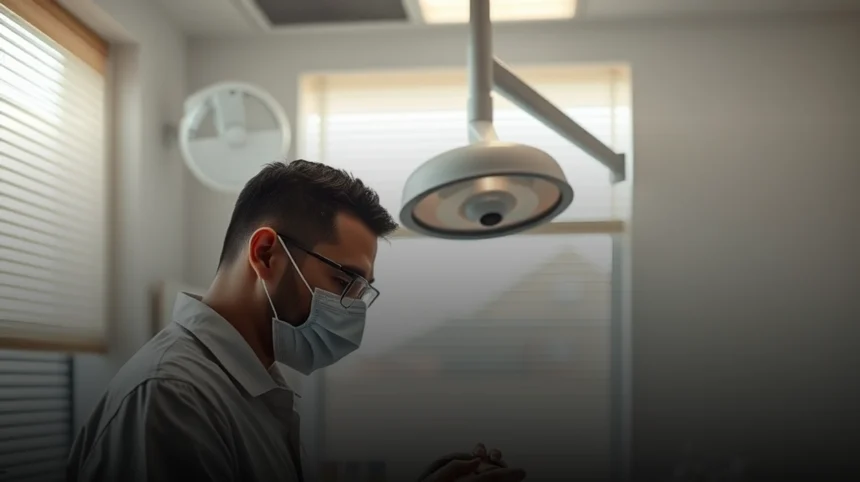
Dental practices in West London provide preventive, restorative, cosmetic and urgent oral healthcare for residents, commuters, students, families and visitors. The area includes established neighbourhoods such as Hammersmith, Fulham, Chiswick, Ealing, Acton, Shepherd’s Bush, Kensington, Chelsea, Brentford and nearby parts of Harrow and Hounslow. Patients can choose between NHS and private practices, but availability, fees, services and opening hours vary considerably.
- What are dental practices in West London?
- Which areas of West London have dental practices?
- What types of dental practices can patients find in West London?
- NHS dental practices
- Private dental practices
- Mixed NHS and private practices
- Specialist and referral practices
- How do NHS and private dentistry differ in West London?
- What services do West London dental practices provide?
- How should patients choose a dental practice in West London?
- How can patients register with a West London dentist?
- What should visitors and new residents know about dental care in West London?
- How is urgent dental care handled in West London?
- What makes a dental practice accessible and suitable for families?
- How can patients maintain oral health between appointments?
- What should patients expect from a dental treatment plan?
- Why do West London dental practices matter to local communities?
- How much does a dental appointment cost in West London?
- Can I find an NHS dentist accepting new patients in West London?
- What should I do if I have severe toothache at night?
- Are dental practices in West London suitable for tourists?
- Can a West London dentist provide specialist treatment?
- SEO title
- Meta description
- Strategic internal linking plan
Understanding the differences between practice types, knowing how to assess a clinic and recognising the correct route for emergency care can make finding a dentist in West London more straightforward.
What are dental practices in West London?
Dental practices in West London are regulated clinics that provide routine examinations, preventive care, diagnosis and treatment for teeth, gums and related oral-health conditions across the western districts of Greater London.
Dental practices may operate as independent surgeries, group practices, specialist referral clinics or mixed NHS and private providers. Their locations range from high streets and residential neighbourhoods to medical centres close to Underground, Overground, railway and bus connections.
General dental practices commonly provide examinations, dental hygiene appointments, fillings, crowns, bridges, dentures, extractions and advice about brushing, diet and gum health. Some clinics also offer orthodontics, dental implants, root canal treatment, oral surgery, sedation or cosmetic procedures through in-house clinicians or referrals.
The phrase “West London” does not describe one official dental-administration area. It is a broad geographical description covering several London boroughs and communities. A practice in Ealing may serve patients from Acton and Hanwell, while a clinic in Hammersmith may attract commuters from Fulham, Chiswick or Shepherd’s Bush.
Which areas of West London have dental practices?
Dental practices are distributed throughout West London, particularly around town centres, transport corridors and densely populated neighbourhoods such as Ealing, Hammersmith, Fulham, Chiswick, Acton, Kensington, Chelsea and Hounslow.
Central-west districts such as Kensington, Chelsea, Hammersmith and Fulham contain practices serving residents, office workers and international patients. Ealing, Acton, Southall and Hanwell provide a wide range of family and general dentistry options across established residential communities.
Chiswick and Brentford include practices serving local households and people travelling along the A4 corridor. Hounslow, Isleworth and nearby areas are also relevant for patients seeking clinics west of central London. Shepherd’s Bush and White City offer convenient options for residents, workers and visitors using major transport links.
Patients should search by postcode rather than relying only on the phrase “West London”. This produces more accurate results for appointment distance, accessibility, registration status and urgent-care availability.
What types of dental practices can patients find in West London?
West London patients can choose among general NHS practices, private clinics, mixed practices, specialist services, emergency providers and community-focused surgeries, depending on clinical need and availability.
NHS dental practices
NHS dentists provide clinically necessary care under the NHS system in England. Services can include examinations, preventive advice, treatment for decay, gum disease and dental injuries, and urgent appointments. Not every practice accepts new NHS patients, and a clinic may offer NHS care only for particular patient groups or treatments.
Private dental practices
Private practices set their own fees and commonly offer a wider choice of appointment times, materials and elective treatments. Services may include cosmetic dentistry, tooth whitening, veneers, adult orthodontics, implants and extended consultations. Patients should request a written treatment plan and full cost breakdown before consenting to substantial treatment.
Mixed NHS and private practices
Many surgeries provide both NHS and private dentistry. The same clinic may offer an NHS examination but quote privately for treatments or materials that fall outside NHS provision. Patients should ask which parts of a proposed plan are NHS-funded and which are private before treatment begins.
Specialist and referral practices
Specialist services may focus on orthodontics, periodontics, endodontics, prosthodontics, oral surgery or paediatric dentistry. A general dentist may refer a patient when a problem requires advanced equipment, complex diagnosis or specialist clinical expertise.
How do NHS and private dentistry differ in West London?
NHS and private dentistry differ mainly in eligibility, charging, treatment scope, appointment availability and patient choice, so patients should confirm the service model before booking or accepting treatment.
NHS treatment is intended to maintain oral health and treat clinically necessary problems. In England, NHS dental charges are organised into treatment bands, although children, people receiving certain benefits and other eligible groups may qualify for free or reduced-cost care. The practice or NHS guidance can explain current charges and exemptions.
Private dentistry is paid for by the patient or an insurance plan. It may provide additional appointment flexibility, elective treatments and different materials, but prices vary between practices. A private consultation should explain diagnosis, treatment alternatives, risks, expected longevity and total cost.
Availability is not the same as quality. A practice’s NHS status, private pricing and new-patient policy should be checked separately. Patients should also distinguish between a routine appointment and an urgent appointment because the routes and waiting times may differ.
What services do West London dental practices provide?
Most West London dental practices provide examinations, hygiene care, fillings, gum treatment, tooth removal, dentures and preventive advice, while selected clinics also provide orthodontics, implants, sedation and cosmetic dentistry.
A routine examination assesses teeth, gums, existing restorations, bite and signs of oral disease. The dentist may recommend radiographs when they are clinically justified. Hygiene appointments focus on plaque and calculus removal, gum-health education and personalised cleaning techniques.
Restorative dentistry repairs or replaces damaged tooth structure. Fillings treat cavities, while crowns can restore heavily weakened teeth. Bridges and dentures replace missing teeth, and implants may provide a fixed replacement option after assessment of bone, gum health and general suitability.
Preventive dentistry is relevant at every age. Practices may advise on fluoride toothpaste, interdental cleaning, smoking, sugar frequency, acidic drinks, mouthguards and denture care. Children may benefit from tailored advice about brushing, diet and the development of their teeth.
Some clinics provide cosmetic treatments such as tooth whitening, composite bonding and veneers. These procedures should follow an examination because untreated decay, gum disease or poor oral hygiene can affect safety and results.
How should patients choose a dental practice in West London?
Choose a West London dental practice by checking location, registration options, clinical services, regulation, emergency arrangements, transparent pricing, accessibility and whether the practice meets the patient’s long-term needs.
Start with the patient’s main requirement. A family may prioritise children’s dentistry and evening appointments, while an adult needing implants may need a practice with restorative experience and a clear referral pathway. Someone with dental anxiety should ask about communication, appointment length and sedation options.
Check whether the practice is accepting new patients and whether the desired appointment is NHS or private. Ask whether examinations, radiographs, hygiene visits and treatment plans have separate charges. A reputable practice should explain costs before treatment and provide written information for larger plans.
Location affects continuity of care. A clinic near home may be easiest for regular preventive visits, whereas a practice near work or a station may suit commuters. Consider step-free access, parking or public transport, language support, child-friendly facilities and arrangements for missed appointments.
The Care Quality Commission regulates health and social-care services in England, including dental services. Its dentist information can help patients identify registered providers and review available regulatory information. Registration does not replace personal questions about suitability, fees or appointment availability.
How can patients register with a West London dentist?
Patients usually register by contacting a practice directly, confirming whether it accepts NHS or private patients, completing medical details and booking an initial examination or consultation.
Unlike a GP catchment system, dental practices may have their own patient lists and acceptance policies. A practice may accept new private patients but have no NHS capacity, or it may offer NHS appointments only to children, specific groups or patients referred through a local arrangement.
During registration, provide accurate information about medical conditions, medicines, allergies, pregnancy, previous dental treatment and anxiety. These details can affect diagnosis, prescribing, local anaesthetic and treatment planning.
The first appointment normally involves an assessment rather than immediate completion of all treatment. The dentist may discuss oral-health priorities, preventive measures and treatment choices. Ask when the next routine examination is recommended and how the practice handles urgent problems outside normal hours.
What should visitors and new residents know about dental care in West London?
Visitors and new residents should identify a nearby practice before treatment is needed, confirm payment arrangements and use NHS 111 for urgent guidance if they cannot access a regular dentist.
Short-term visitors may be able to receive private emergency treatment, but acceptance is determined by each practice. Travel insurance may cover some dental emergencies, subject to policy conditions. Keep receipts, clinical notes and treatment details if an insurer may be involved.
New residents should compare practices using their full postcode and ask about NHS availability, private fees, preventive care and emergency access. Patients transferring from another area should request relevant dental records where appropriate, particularly when they have ongoing orthodontic, periodontal, implant or complex restorative treatment.
People who speak limited English can ask a practice what communication support is available. Clear understanding of diagnosis, consent, alternatives and costs is essential before treatment.
How is urgent dental care handled in West London?
For urgent dental problems, contact the regular dentist first or use NHS 111 when no dentist is available; severe swelling affecting breathing or swallowing requires immediate emergency medical help.
NHS guidance identifies severe toothache, dental injuries, a knocked-out tooth, worsening swelling, persistent mouth ulcers and damaged restorations as reasons to seek urgent advice. NHS 111 can provide guidance and help identify an appropriate urgent dental route.
Urgent care is designed to manage the immediate problem, such as pain, infection, bleeding or injury. It may not provide the full course of restorative treatment, so follow-up with a regular dentist may still be necessary.
Do not place an adult tooth back into its socket if it is visibly dirty without first seeking appropriate advice, and do not delay care after a serious injury. A dentist or urgent service can advise on preserving the tooth and managing the surrounding tissues.
Facial or mouth swelling with difficulty breathing, swallowing or speaking can be life-threatening. Call emergency services in that situation rather than waiting for a routine dental appointment.
What makes a dental practice accessible and suitable for families?
A suitable family dental practice combines convenient appointments, clear communication, child-appropriate care, accessible premises, preventive education and reliable arrangements for urgent problems.
Parents should ask whether the practice treats children, provides age-appropriate examinations and offers advice on fluoride, brushing and sugary foods. A practice that welcomes children can help establish positive habits before dental problems become extensive.
Accessibility includes more than physical entry. Ask about step-free routes, suitable surgeries, accessible toilets, hearing support and appointment communication. Patients with mobility, sensory, learning or medical needs should describe their requirements when booking.
People with dental anxiety may benefit from a slower assessment, agreed stop signals, clear explanations and staged treatment. Sedation is not appropriate for everyone and should be discussed with a qualified clinician after medical assessment.
How can patients maintain oral health between appointments?
Good oral health depends on daily fluoride brushing, cleaning between teeth, limiting the frequency of sugary foods and drinks, avoiding tobacco and attending examinations based on individual risk.
Brush twice daily with fluoride toothpaste and avoid rinsing immediately with water so fluoride remains on the teeth. Interdental brushes or floss can remove plaque from areas a toothbrush cannot reach. A dentist or hygienist can recommend suitable sizes and techniques.
Frequent sugar exposure increases the risk of tooth decay, particularly when sugary snacks and drinks are consumed between meals. Water is generally preferable to sweetened drinks. Smoking and tobacco use can worsen gum health and increase the risk of serious oral disease.
Dental attendance should be based on clinical need rather than a fixed schedule for everyone. Patients with active disease, complex restorations, orthodontic appliances or elevated risk may need more frequent reviews, while others may be advised to attend less often.
What should patients expect from a dental treatment plan?
A dental treatment plan should explain the diagnosis, recommended care, alternatives, risks, likely outcomes, timescale and expected cost before non-urgent treatment starts.
Ask the dentist to prioritise urgent disease and explain which treatments are essential, advisable or elective. Several options may be clinically reasonable, with differences in durability, appearance, invasiveness and cost.
For complex treatment, request a written estimate and clarify whether it includes examinations, radiographs, temporary restorations, laboratory work, follow-up appointments and adjustments. Confirm what happens if treatment changes after further findings.
Patients can ask questions and take time to decide unless immediate care is necessary. Valid consent requires understandable information and a voluntary decision. A second opinion may be useful for extensive, irreversible or expensive treatment.
Why do West London dental practices matter to local communities?
Dental practices support West London communities by preventing oral disease, treating pain and infection, restoring function, supporting children’s health and providing accessible care close to homes, workplaces and transport networks.
Regular primary dental care can identify problems before they become emergencies. Practices also contribute to wider health awareness by discussing tobacco, diet, medication effects, dry mouth and signs that require further medical or specialist assessment.
West London’s diverse population creates demand for flexible communication, culturally sensitive care, varied payment options and accessible locations. A strong local practice is not defined only by its equipment, but also by continuity, safe systems and clear communication.
Patients benefit when they establish a regular source of preventive care rather than relying solely on emergency services. Comparing practices carefully helps residents, workers and visitors select care that fits their location, clinical requirements and budget.
How much does a dental appointment cost in West London?
Costs depend on whether treatment is NHS or private, the practice, the procedure and the patient’s eligibility. Ask for current fees, NHS band information where relevant and a written private estimate before treatment.
Can I find an NHS dentist accepting new patients in West London?
Availability changes between practices and neighbourhoods. Search by postcode, contact practices directly and ask specifically whether they are accepting new NHS patients for the required type of care.
What should I do if I have severe toothache at night?
Contact NHS 111 for urgent advice if the pain is severe, persistent or not controlled by suitable over-the-counter pain relief. Use emergency medical services for swelling that affects breathing or swallowing.
Are dental practices in West London suitable for tourists?
Many practices may assess visitors, but acceptance and payment arrangements vary. Contact the clinic before attending, ask about emergency fees and check whether travel insurance may reimburse eligible treatment.
Can a West London dentist provide specialist treatment?
Some practices provide specialist services, while others refer patients to an appropriate specialist. Ask whether the clinic offers the required treatment directly, what qualifications are relevant and how referrals are managed.
SEO title
Dental Practices in West London: Services, Areas and Advice
Meta description
Compare dental practices in West London, including NHS and private care, services, emergency help, costs, accessibility and choosing the right local clinic.
Strategic internal linking plan
- Link “NHS and private dentistry” to a future service comparison page explaining treatment options, charges and eligibility.
- Link “urgent dental care” to a dedicated emergency dentistry page covering symptoms, NHS 111 and out-of-hours arrangements.
- Link neighbourhood names such as Ealing, Hammersmith, Fulham and Chiswick to location pages listing practices and transport information.
- Link “children’s dentistry” to a family dental-care guide covering prevention, fluoride and first visits.
- Link “dental implants” to a restorative dentistry page explaining assessment, treatment stages and aftercare.
- Link “dental anxiety” to a patient-support page covering communication, sedation discussions and appointment preparation.