


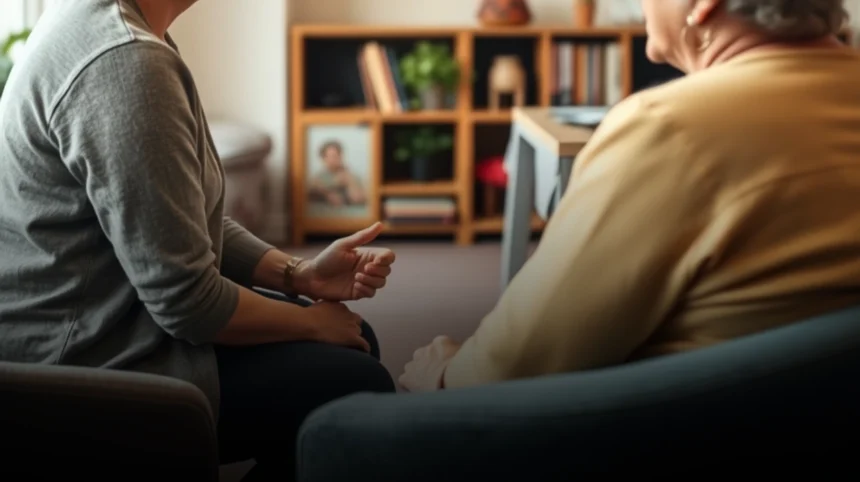
Mental wellbeing services in West London support people experiencing stress, anxiety, depression, low mood, trauma, loneliness, emotional distress or more severe mental health problems. Services range from self-help and community groups to NHS talking therapies, specialist treatment, crisis support and hospital care. The most appropriate route depends on a person’s age, symptoms, urgency, location and level of risk.
- What are mental wellbeing services in West London?
- Which areas are covered by West London mental health services?
- What types of mental wellbeing support are available?
- How can someone access NHS mental health support in West London?
- What should someone do during a mental health crisis?
- What happens during a mental health assessment?
- Where are specialist and hospital services provided?
- How can visitors and carers use services in West London?
- How can people choose the right mental wellbeing service?
- How can residents support their mental wellbeing?
- What should people remember about mental wellbeing services in West London?
In this guide, West London mainly refers to Ealing, Hammersmith and Fulham, and Hounslow, the principal boroughs served by West London NHS Trust. Residents, visitors, carers and professionals can use the local service structure to identify suitable help without waiting for problems to become more severe.
What are mental wellbeing services in West London?
Mental wellbeing services in West London are public, voluntary and private forms of support that help people maintain or improve emotional health, manage mental illness and obtain urgent care during a crisis.
Wellbeing support includes information, peer support, community activities, social prescribing and practical help with problems such as isolation, housing pressure, employment concerns or financial stress. Clinical services provide assessment, psychological therapies, medication management, nursing support and structured recovery plans.
Services are organised across different levels. Early support may be suitable for mild or moderate difficulties, while specialist community teams and inpatient units support people with complex, severe or enduring conditions. Crisis services provide urgent assessment when someone’s mental state deteriorates rapidly or they may be unsafe.
West London NHS Trust delivers mental health, community and social care services across Ealing, Hammersmith and Fulham, and Hounslow. Its provision includes care in hospitals, community settings, GP surgeries, care homes and specialist clinics.
Which areas are covered by West London mental health services?
Most NHS mental health services associated with West London cover Ealing, Hammersmith and Fulham, and Hounslow, although neighbouring boroughs have separate local pathways and providers.
Ealing includes areas such as Acton, Ealing, Hanwell, Southall and Northolt. Hammersmith and Fulham includes Hammersmith, Fulham, Shepherd’s Bush and surrounding neighbourhoods. Hounslow covers locations including Chiswick, Brentford, Isleworth, Heston and Feltham.
Eligibility can depend on where a person lives, their GP registration, age and the type of service required. Someone visiting West London temporarily may receive urgent assistance locally but may need to use their home-area services for planned, non-urgent treatment.
People living in Richmond, Kingston, Wandsworth, Merton or Sutton generally follow South West London pathways rather than the West London NHS Trust pathway. NHS 111, a GP surgery or an urgent mental health service can help identify the correct local provider.
What types of mental wellbeing support are available?
West London offers a range of support, including NHS talking therapies, community mental health teams, crisis assessment, home treatment, safe spaces, social care, peer support and inpatient treatment.
NHS talking therapies
NHS Talking Therapies is designed for adults with common mental health difficulties such as anxiety, depression, panic, obsessive thoughts and stress-related problems. The service uses evidence-based psychological treatments and may offer guided self-help, group work, courses or individual therapy.
Eligible adults can usually self-refer without first seeing a GP. Eligibility and referral arrangements vary, so residents should check the local West London service. Talking therapies are not intended to replace emergency help when someone is at immediate risk.
Community mental health services
Community teams support people whose needs are more complex, severe or persistent than those normally treated through primary care. Support may include psychiatric assessment, care coordination, medication reviews, psychological interventions, relapse planning and links with housing or social care.
These services often work with GPs, hospitals, carers, social workers and voluntary organisations. A referral may come from a GP, another NHS service or an existing mental health professional, depending on the local pathway.
Community wellbeing and voluntary support
Local charities, community centres, peer networks and social prescribing services can help people address loneliness, bereavement, confidence, physical activity, practical stress and social connection. These services may be useful alongside clinical treatment or as an early step before symptoms become more serious.
Support can include wellbeing workshops, culturally specific services, recovery groups, advice agencies and activities that promote routine and connection. Availability differs between boroughs and organisations, so a GP, council wellbeing service or local voluntary-sector directory can provide current options.
How can someone access NHS mental health support in West London?
People can access support through a GP, direct self-referral to NHS Talking Therapies, NHS 111 for urgent mental health help, or emergency services when there is immediate danger.
For common problems such as persistent low mood, anxiety or stress, adults can contact the local NHS Talking Therapies service directly where eligible. A GP can also assess symptoms, discuss physical health factors, prescribe or review medication and refer to specialist services.
For urgent but non-life-threatening concerns, call NHS 111 and select the mental health option. Trained mental health advisers can assess the situation and direct the person to an appropriate local service. This route is available when distress feels unsafe, overwhelming or difficult to manage.
People can also ask a trusted professional, carer or family member to help them make contact. Translation, accessibility and reasonable-adjustment needs should be stated when arranging an assessment.
What should someone do during a mental health crisis?
During a mental health crisis, use NHS 111 with the mental health option for urgent advice, contact the local crisis service, or call 999 or attend A&E if there is immediate danger or a serious medical emergency.
West London NHS Trust provides crisis assessment and home treatment for adults in Ealing, Hammersmith and Fulham, and Hounslow. These teams assess people experiencing a mental health crisis or needing intensive support at home, with the aim of avoiding hospital admission where safe and appropriate.
The Mental Health Single Point of Access provides urgent help from trained mental health advisers at all times. A crisis assessment may consider symptoms, immediate risks, medication, physical health, housing, support networks and whether the person can remain safely at home.
West London also has community-based Safe Spaces delivered by Hestia for adults in the relevant boroughs who are experiencing or at risk of mental distress. Such services offer non-clinical emotional support and may connect people with practical local help.
If someone has taken an overdose, seriously injured themselves, has life-threatening symptoms, is in immediate danger or may harm another person, call 999 or go to the nearest A&E department. Do not leave a person at immediate risk alone.
What happens during a mental health assessment?
A mental health assessment considers symptoms, safety, physical health, personal circumstances, previous treatment and the person’s goals before recommending self-help, therapy, community care, crisis support or hospital treatment.
The clinician may ask when symptoms began, how they affect sleep and daily life, whether substances or physical illness are involved, and what support is already available. Questions about suicidal thoughts, self-harm, neglect, violence or feeling unsafe are routine parts of risk assessment.
The assessment may result in advice, signposting, a referral, a care plan or an urgent intervention. It can also involve family members or carers when the person agrees, or when information is necessary to manage serious safety concerns in line with professional duties.
People should share relevant medication, previous diagnoses, current treatment, access needs and preferred communication arrangements. Clear information helps services match the response to the level and type of need.
Where are specialist and hospital services provided?
West London NHS Trust provides community and hospital mental health care, including acute inpatient units for people who need intensive treatment because of severe mental health problems or a crisis.
Acute inpatient care is provided at Hammersmith and Fulham Mental Health Unit and Lakeside Mental Health Unit. Admission is considered when a person cannot be supported safely in the community or requires continuous observation, assessment and treatment.
Hospital care may include psychiatric assessment, medication, nursing support, therapeutic activity, physical health monitoring and discharge planning. The aim is to stabilise the immediate problem and create a safe plan for continuing care in the community.
Inpatient treatment is not the only crisis option. Crisis teams, home treatment and community alternatives may support some people outside hospital when a clinical assessment confirms that this is safe and suitable.
How can visitors and carers use services in West London?
Visitors should seek urgent local help when necessary, while carers can contact services for guidance, share relevant safety information and ask about support for their own wellbeing.
A visitor in West London who becomes acutely distressed can use NHS 111, an urgent mental health pathway, 999 or A&E depending on the level of risk. Emergency services can assess people regardless of whether they are registered with a local GP.
Carers may notice changes in behaviour, sleep, communication, self-care or medication use. They should explain what they have observed and whether there are immediate risks. Confidentiality rules may limit what professionals can disclose, but carers can still provide information and request general guidance.
Carers should also seek help for exhaustion, anxiety or isolation. Supporting another person can affect physical and mental health, and local councils, carers’ organisations and voluntary services may provide advice, groups or practical assistance.
How can people choose the right mental wellbeing service?
The right service depends on urgency, severity, duration, age, location and functional impact, with early support for manageable difficulties and urgent assessment for safety concerns.
- For mild or moderate anxiety, low mood or stress, consider NHS Talking Therapies, a GP, self-help or community wellbeing support.
- For persistent symptoms affecting work, study, relationships or self-care, arrange a GP or specialist mental health assessment.
- For rapidly worsening symptoms, inability to stay safe or urgent distress, contact NHS 111 and select the mental health option.
- For immediate danger, serious injury, overdose or a medical emergency, call 999 or attend A&E.
People should not delay seeking help because they are uncertain which service is appropriate. NHS staff can redirect a referral or recommend a more suitable pathway after an initial assessment.
How can residents support their mental wellbeing?
Residents can protect mental wellbeing by maintaining regular sleep, movement, social contact, meaningful activity and professional support when symptoms persist or interfere with daily life.
Practical steps include establishing a manageable daily routine, eating regularly, reducing harmful alcohol or drug use, spending time outdoors and staying connected with trusted people. These measures can support recovery but do not replace clinical care for significant mental illness.
Keeping appointments, taking medication as prescribed and discussing side effects with a clinician can improve continuity of care. A written crisis plan can record warning signs, preferred contacts, helpful coping strategies and emergency routes.
Mental wellbeing services are most effective when people access them early, communicate openly and attend follow-up appointments. Support should be adapted to culture, language, disability, age, neurodiversity and personal preferences wherever possible.
What should people remember about mental wellbeing services in West London?
West London has a connected mental health system covering early intervention, psychological therapy, community treatment, crisis response and hospital care, with NHS 111 providing an important urgent access route.
The three main boroughs served by West London NHS Trust are Ealing, Hammersmith and Fulham, and Hounslow. Local pathways can change, and eligibility differs between services, so residents should use current NHS or council information when making a referral.
Early support is appropriate for many common difficulties, while urgent assessment is necessary when someone feels unsafe or cannot manage at home. Asking for help is appropriate at any stage, whether the need is personal, practical, emotional or clinical.
Can I self-refer to mental health services in West London?
Adults can usually self-refer to NHS Talking Therapies for common problems such as anxiety, depression and stress, subject to local eligibility rules. Specialist community services may require a GP or professional referral.
Is NHS mental health support free in West London?
NHS mental health services, including NHS Talking Therapies and urgent crisis assessment, are generally free to eligible NHS patients. Private counselling and some voluntary services may charge or use different eligibility arrangements.
What is the fastest way to get urgent mental health help?
Call NHS 111 and select the mental health option for urgent advice and assessment. Call 999 or attend A&E if there is immediate danger, serious injury, overdose or a life-threatening medical emergency.
Can I get mental health help without telling my GP?
Yes, adults may be able to self-refer directly to local NHS Talking Therapies. Urgent support can also be accessed through NHS 111. Some specialist services still require referral or professional assessment.
What support is available for carers?
Carers can share safety information with mental health professionals, ask for general guidance and seek support through local councils or carers’ organisations. They can request an assessment of their own caring needs where applicable.
Strategic internal linking plan
- Link “NHS Talking Therapies” to a dedicated service page explaining eligibility, self-referral and treatment options.
- Link “mental health crisis support” to an urgent-help page covering NHS 111, 999 and local crisis pathways.
- Link “West London boroughs” to a local-area guide covering Ealing, Hammersmith and Fulham, and Hounslow.
- Link “support for carers” to a carers’ wellbeing guide covering assessments, respite and community organisations.
- Link “community wellbeing support” to a page describing local groups, social prescribing, voluntary organisations and practical advice services.
- Link “mental health assessment” to an explainer covering referrals, confidentiality, risk assessment and care planning.