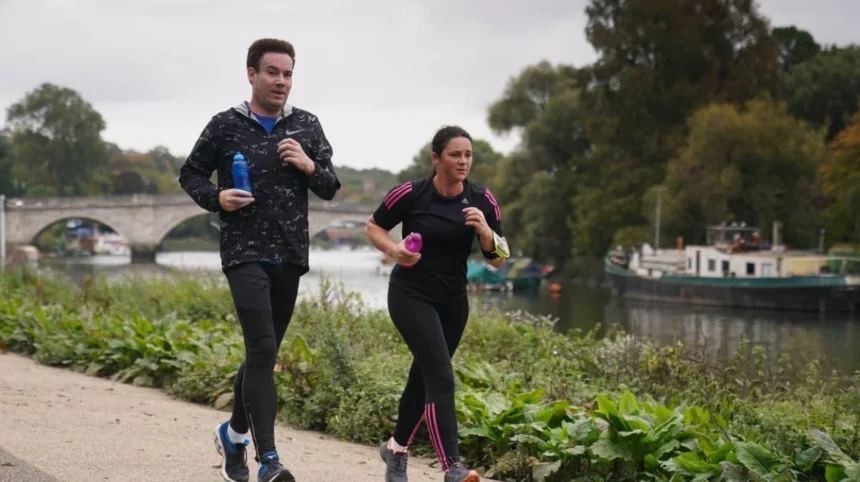
West London offers a diverse network of running routes through riverside paths, historic parks, canal towpaths, nature reserves and suburban green spaces. Runners can explore the Thames Path, uk/local/richmond-upon-thames/richmond/">Richmond Park, Grand Union Canal, Gunnersbury Park and Horsenden Hill while choosing distances suited to beginners, recreational runners and experienced athletes.
- What makes West London a good location for running?
- Which are the best riverside running routes in West London?
- Where can runners find the best park running routes in West London?
- Where are the best canal running routes in West London?
- Which West London running routes are best for beginners?
- Walpole Park for short sessions
- Gunnersbury Park for structured training
- Elthorne Park for distance progression
- Which West London running routes are best for long-distance training?
- Where can runners find trail running and natural terrain in West London?
- How should runners choose the right West London running route?
- Match the route to the training objective
- Consider surface conditions
- Check accessibility and transport
- What safety measures should runners follow on West London routes?
- Follow shared-path etiquette
- Check weather and ground conditions
- Respect wildlife and natural habitats
- Prepare for longer sessions
- How can runners build a consistent weekly running routine in West London?
- Example weekly running structure
- Follow recognised physical activity guidance
- Include strength and recovery sessions
- When is the best time of year to explore West London running routes?
- What facilities are available near West London running routes?
- How do West London’s running routes contribute to local communities?
- Where are the main West London running destinations?
Running in West London combines accessible outdoor exercise with some of London’s most distinctive natural and historic landscapes. The area stretches across neighbourhoods including Richmond, Ealing, Hounslow, fulham/hammersmith/">Hammersmith, Fulham, Chiswick, Brentford and Acton. Each location offers different running conditions, from flat riverside routes to woodland trails and longer cross-borough running challenges.
The region’s green spaces provide alternatives to busy roads and pavement running. Riverside paths offer extended routes, while public parks provide convenient circuits for interval training, endurance sessions and shorter recreational runs.
West London’s running network also connects residential neighbourhoods with transport stations, local attractions and established walking trails. This makes outdoor running accessible to residents who want to exercise before work, during lunch breaks or at weekends.
What makes West London a good location for running?
West London is a suitable running destination because it combines extensive public parks, riverside paths, canal towpaths and connected green spaces. These environments provide flat running surfaces, longer endurance routes, quieter recreational circuits and varied terrain for different fitness levels.
West London has a distinctive landscape shaped by the River Thames, historic estates, waterways and protected green spaces. These geographical features create different running environments within relatively short travelling distances.
The River Thames forms an important recreational corridor through the western part of the capital. Its riverside paths connect Richmond, Kew, Chiswick, Hammersmith, Fulham and neighbouring communities. Runners use these paths for steady-distance training and longer continuous sessions.
The Grand Union Canal provides another important route network. Its towpaths pass through areas including Brentford, Hanwell, Greenford and Southall. These paths offer relatively level terrain and connections with local parks and residential neighbourhoods.
West London’s parks provide additional opportunities for running. Richmond Park offers extensive open landscapes, while Gunnersbury Park combines historic grounds with recreational facilities. Horsenden Hill introduces woodland trails and elevated terrain.
Different running environments
West London running routes generally fall into four geographical categories:
- Riverside routes: Thames-side paths around Richmond, Kew, Chiswick and Hammersmith.
- Canal routes: Grand Union Canal towpaths around Brentford, Hanwell and Greenford.
- Park routes: Landscaped grounds such as Gunnersbury Park and Walpole Park.
- Nature trails: Woodland and open-ground routes around Horsenden Hill and Richmond Park.
These environments support different training requirements. Flat paths suit consistent pacing, while uneven trails develop balance and strengthen the muscles involved in stabilising the body.
Which are the best riverside running routes in West London?
The Thames Path is one of West London’s most established riverside running corridors. Routes around Richmond, Kew, Chiswick, Barnes and Hammersmith provide opportunities for short recreational runs, medium-distance training and longer continuous sessions.
The Thames Path is a long-distance walking trail following the River Thames. Transport for London describes the wider route as approximately 79.5 miles (128 kilometres), extending from the Richmond area towards the Thames Barrier.
Its West London sections offer several useful running options. The route includes riverside connections around Hampton Court, Richmond, Kew Bridge, Chiswick and Fulham. Transport for London+1
Richmond Riverside to Kew Bridge
Richmond Riverside provides an accessible starting point for a scenic Thames-side run. The path follows the river through an area known for historic buildings, riverside gardens and views towards the water.
Runners can follow the riverside towards Kew Bridge, passing attractive stretches around Isleworth and Kew. The route includes sections with pedestrian activity, so runners should adjust their pace near busy public spaces.
This route suits recreational runners looking for a relatively flat training environment. It also provides opportunities to extend a session by continuing towards Chiswick.
Kew Bridge to Chiswick
The Kew Bridge and Chiswick riverside section offers a useful option for runners seeking a medium-distance session. The route follows the northern bank of the Thames and passes residential streets, riverside properties and local green spaces.
Runners can use Chiswick Pier as a recognisable riverside landmark. The surrounding area also connects with Chiswick’s residential walking and cycling network.
The route is particularly suitable for steady-paced running. Narrower sections and shared pedestrian areas require awareness of other path users.
Chiswick to Hammersmith
The Thames-side route between Chiswick and Hammersmith offers an extended running opportunity. It passes riverside neighbourhoods and connects with paths around the Fulham and Hammersmith areas.
Runners can use this section for longer aerobic sessions or divide it into shorter out-and-back runs. The route also connects with local bridges and riverside access points.
The Thames Path provides a continuous geographical framework, although temporary closures, construction and tidal conditions affect individual sections. Runners should check local access information before planning a longer session.
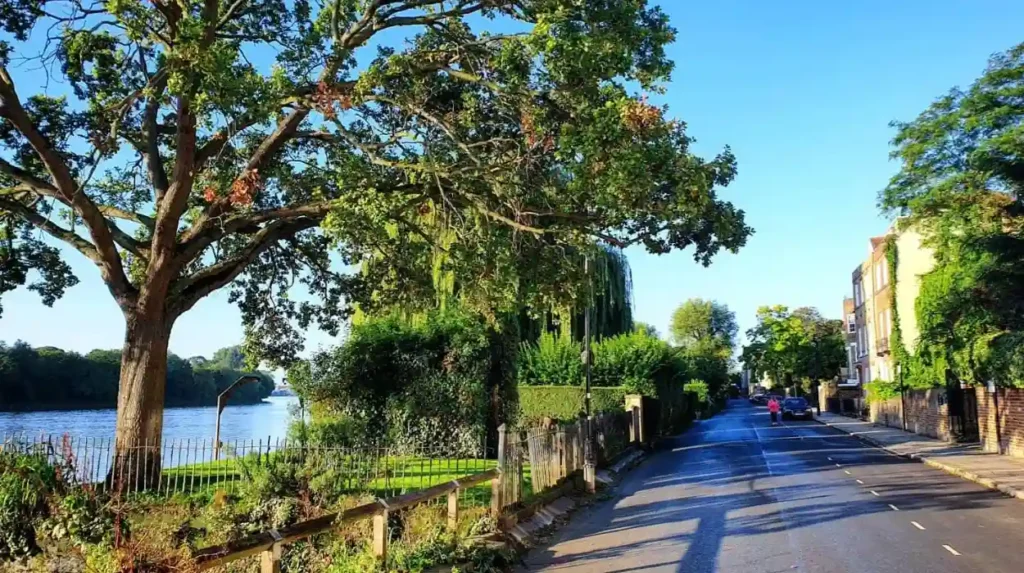
Where can runners find the best park running routes in West London?
West London’s public parks provide accessible running environments with landscaped paths, open grassland, woodland sections and established recreational facilities. Richmond Park, Gunnersbury Park, Walpole Park and Wormwood Scrubs offer different terrain and running distances.
Public parks are important parts of West London’s outdoor exercise network. They provide alternatives to roads and canal paths while offering opportunities to combine running with other recreational activities.
Richmond Park
Richmond Park is one of the largest and most recognisable green spaces in West London.
The Royal Parks organisation manages Richmond Park, which contains extensive grassland, woodland, open landscapes and established paths.
The park’s Tamsin Trail is a well-known circular route used by walkers and runners. It provides a way to explore different parts of the park without following the same path throughout the session.
A complete circuit around the park takes approximately three hours on foot, according to The Royal Parks. Running time varies according to pace, surface conditions and stopping points. The Royal Parks
The park suits several types of running:
- Long-distance endurance training.
- Moderate-paced recreational running.
- Trail running on suitable paths.
- Hill and terrain variation training.
The park’s deer population is an important consideration. Runners should maintain a safe distance from wildlife, particularly during the deer breeding season, and follow park regulations.
Gunnersbury Park
Gunnersbury Park offers a convenient running destination between Ealing and Chiswick.
The park contains open lawns, mature trees, landscaped grounds and historic buildings. Its paths provide opportunities for short and medium-distance running sessions.
Gunnersbury Park also hosts a weekly parkrun. The organised event covers 5 kilometres and takes place on Saturdays at 9am, according to the park’s visitor information. Participants need to register with parkrun before attending and bring their barcode to receive an official time. Gunnersbury
The event offers a structured introduction to community running. Beginners can participate at their own pace, while experienced runners can use the weekly event to monitor performance.
Walpole Park
Walpole Park provides a smaller park-running environment near Ealing Broadway.
The park contains landscaped gardens, open lawns and pedestrian paths. Its location near Ealing town centre makes it convenient for residents who want a short outdoor session without travelling to a larger destination.
Walpole Park is suitable for relaxed running and repeated short circuits. Its compact layout also makes it useful for people returning to exercise after a break.
Runners should account for other park users and avoid treating busy pedestrian paths as dedicated athletics tracks.
Wormwood Scrubs
Wormwood Scrubs is an extensive open space in the north-western part of West London.
Its landscape includes open grassland, rough paths and areas of natural vegetation. The terrain differs from the formal paths found in smaller urban parks.
Wormwood Scrubs provides a useful environment for runners who prefer less formal surroundings. Grass and uneven ground create additional physical demands compared with smooth paved routes.
It is particularly useful for steady runs, easy trail sessions and outdoor conditioning.
Where are the best canal running routes in West London?
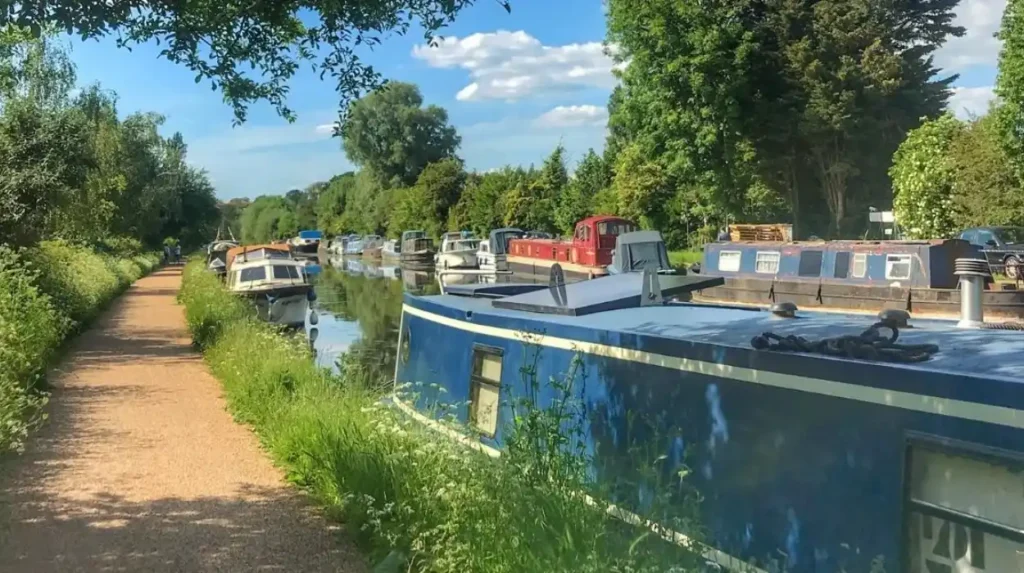
The Grand Union Canal provides a connected running corridor through Brentford, Hanwell, Greenford and surrounding West London neighbourhoods. Its towpaths offer relatively level terrain, waterside scenery and opportunities for continuous out-and-back running sessions.
The Grand Union Canal is a historic waterway connecting London with the Midlands. Its towpaths originally supported commercial canal transport and now provide recreational access for walking, cycling and other outdoor activities.
The West London sections offer a distinctive running environment. Water, canal infrastructure, historic locks and residential neighbourhoods create changing scenery along the route.
Brentford Canal Towpath
Brentford provides an important connection between the Grand Union Canal and the River Thames.
The canal-side paths offer relatively flat running conditions and access to the surrounding waterfront environment. Runners can follow the towpath away from Brentford town centre for longer sessions.
The route also connects with riverside paths, allowing runners to develop longer training circuits using both waterways.
Canal towpaths are shared spaces. Cyclists, walkers, anglers and moored boats create occasional congestion, particularly near bridges and residential access points.
Hanwell Locks and Elthorne Park
Hanwell offers one of the most distinctive canal-running environments in West London
The Hanwell Flight is a sequence of historic canal locks along the Grand Union Canal. The surrounding landscape combines engineering heritage, green spaces and waterside paths.
Elthorne Park provides a useful starting point for nearby running routes. The local running organisation We Run Ealing identifies two established Elthorne Park route options of approximately 6 kilometres and 11 kilometres.
These routes explore green spaces beside the Hanwell Locks and include the Glade Lane Park viewpoint. Ealing Trail Runs
The shorter route suits recreational runners, while the longer option provides additional distance for endurance training.
Greenford and Horsenden Hill
Greenford provides access to the Grand Union Canal and the surrounding landscape of Horsenden Hill.
Horsenden Hill introduces more varied terrain than the canal towpath. Its nature reserve includes woodland, open grassland and elevated ground.
We Run Ealing identifies a 10-kilometre Horsenden Hill and Grand Union Canal running route. The route combines canal paths with trails around the nature reserve and includes the borough’s highest point.
The organisation recommends trail shoes after wet weather because the uneven surfaces become muddy. Ealing Trail Runs
This route is suitable for runners who want to combine steady-distance training with natural terrain and elevation changes.
Which West London running routes are best for beginners?
Beginners benefit from West London routes with level surfaces, accessible starting points, convenient transport connections and opportunities to shorten sessions. Walpole Park, Gunnersbury Park, accessible Thames-side sections and Elthorne Park provide suitable starting environments.
Starting a running routine requires a manageable distance and a consistent training schedule. Beginners should prioritise comfortable pacing rather than attempting long distances immediately.
Walpole Park for short sessions
Walpole Park offers a convenient environment for introducing regular running into a weekly routine.
Its compact layout allows runners to repeat short circuits and gradually increase their overall running time. This approach makes it easier to monitor progress without committing to a long route.
The park’s central Ealing location also provides convenient access to nearby public transport.
Gunnersbury Park for structured training
Gunnersbury Park provides access to open space and an established weekly 5-kilometre parkrun.
Beginners can use the park’s paths for short practice sessions before attending the organised event. The event also introduces participants to community-based running.
A gradual training schedule helps reduce excessive strain. Alternating running and walking intervals provides a practical starting method for people with limited running experience.
Elthorne Park for distance progression
Elthorne Park is particularly useful because established local routes include 6-kilometre and 11-kilometre options.
Beginners can start with a shorter section and gradually build towards longer distances. The canal-side setting also provides relatively consistent terrain.
Runners should check route maps before setting off and identify suitable points for turning back.
Which West London running routes are best for long-distance training?
Long-distance runners benefit from continuous paths, predictable surfaces and routes with opportunities to extend mileage. The Thames Path, Grand Union Canal towpath and Richmond Park provide useful environments for endurance training and progressive distance building.
Long-distance training develops aerobic endurance and prepares runners for events such as half-marathons and marathons. West London’s waterways and larger parks provide suitable locations for gradually increasing weekly mileage.
Thames Path endurance sessions
The Thames Path offers opportunities to create longer out-and-back runs using connected riverside sections.
Runners can begin around Richmond or Kew and extend their distance towards Chiswick and Hammersmith. The route’s riverside setting provides identifiable landmarks that help with navigation.
The Thames Path also connects with wider sections of the National Trail, making it possible to plan longer distance challenges beyond West London.
Richmond Park endurance circuits
Richmond Park provides a different endurance environment because runners can combine open paths with rolling terrain.
The Tamsin Trail offers a recognisable route around the park. Its landscape includes grassland, woodland edges and sections with changing gradients.
Runners preparing for longer events can use the park for steady-distance training and controlled pace sessions. They should account for surface changes and wildlife activity.
Grand Union Canal distance running
The Grand Union Canal provides relatively level terrain for runners who prefer consistent pacing.
Its towpaths support out-and-back sessions with clearly identifiable bridges and locks. These landmarks help runners plan distances and monitor progress.
However, towpaths are not dedicated running tracks. Narrow sections and shared use require careful movement, particularly when passing cyclists.
Where can runners find trail running and natural terrain in West London?
Horsenden Hill, Richmond Park and Wormwood Scrubs provide some of West London’s most useful natural running environments. Their combination of grassland, woodland paths, uneven surfaces and open landscapes offers alternatives to conventional pavement and road running.
Trail running involves running on natural or unpaved surfaces rather than exclusively using roads and smooth pavements. These surfaces include compact earth, grass, woodland tracks and gravel paths.
West London has several locations where runners can experience these conditions.
Horsenden Hill Nature Reserve
Horsenden Hill is one of the strongest options for trail running in Ealing.
Its natural landscape includes woodland, grassland and elevated ground. The changing terrain introduces gradients and uneven surfaces that differ from canal-side running.
The combination of Horsenden Hill and the Grand Union Canal creates a route that includes both flat and more challenging sections.
Richmond Park woodland paths
Richmond Park provides natural terrain alongside established paths.
Its woodland edges and grassland sections create opportunities for varied running sessions. Runners should remain on permitted paths and follow park guidance around wildlife.
The park’s size also allows runners to combine natural trails with longer, more consistent sections.
Wormwood Scrubs open terrain
Wormwood Scrubs offers a more open natural landscape. Its grassland and informal paths suit runners seeking a less urban environment.
Ground conditions change throughout the year. Wet weather creates muddy sections, while dry periods produce firmer grass and earth surfaces.
Appropriate footwear improves grip and stability on uneven ground.
How should runners choose the right West London running route?
Choosing a West London running route depends on distance, fitness level, surface type, accessibility, traffic exposure and personal training objectives. Beginners benefit from short park circuits, while experienced runners often prefer longer riverside, canal and mixed-terrain routes.
The most suitable route is one that matches the runner’s physical ability and training purpose. Distance alone does not determine difficulty. Surface conditions, gradients, congestion and route accessibility also affect the experience.
Match the route to the training objective
Different running environments support different training requirements.
These locations provide different starting points for building a consistent exercise routine.
Consider surface conditions
Running surfaces influence comfort, grip and physical demands.
Paved paths provide relatively predictable footing. Canal towpaths often combine compacted surfaces with gravel and uneven sections. Woodland trails introduce roots, mud and natural obstacles.
Footwear should match the route. Road-running shoes suit smoother paths, while trail-running shoes offer additional grip on muddy and uneven terrain.
Check accessibility and transport
West London’s running locations connect with different public transport networks.
Richmond, Kew Bridge, Gunnersbury, Ealing Broadway, Hanwell and Greenford provide access to nearby recreational spaces.
Choosing a route near home or a transport station helps reduce travelling time and supports regular participation.
Runners should also check whether the selected park has restricted opening times or temporary access arrangements.
What safety measures should runners follow on West London routes?
Runners should follow park regulations, remain aware of cyclists and pedestrians, use suitable footwear and check weather conditions before starting. Riverside and canal routes require additional awareness of water edges, narrow paths, shared access and temporary closures.
West London’s running routes are public spaces used by different groups. Safe running depends on awareness, responsible behaviour and appropriate preparation.
Follow shared-path etiquette
Canal towpaths and riverside paths are shared by walkers, cyclists and other visitors.
Runners should remain aware of approaching users and avoid sudden changes in direction. Keeping to the appropriate side of the path and allowing space when overtaking helps prevent collisions.
Headphones should not completely block surrounding sounds, particularly near bridges and busy access points.
Check weather and ground conditions
Rain changes the condition of natural trails and canal-side paths. Muddy surfaces increase slipping risks, especially around slopes and woodland sections.
Hot weather requires suitable hydration and sensible training intensity. During colder months, reduced daylight makes reflective clothing and visible lighting important.
Respect wildlife and natural habitats
Richmond Park contains free-roaming deer. Runners should never approach, feed or attempt to photograph wildlife at close range.
Nature reserves also contain habitats that require protection. Remaining on permitted paths helps reduce disturbance to vegetation and wildlife.
Prepare for longer sessions
Long-distance runners should plan their routes before leaving home.
Preparation includes checking distance, identifying return points, carrying water for longer sessions and keeping a charged mobile phone.
Runners should also account for limited facilities along some canal and riverside sections.
How can runners build a consistent weekly running routine in West London?
A consistent running routine combines manageable distances, recovery periods and gradual increases in training intensity. West London parks, canal towpaths and riverside paths allow runners to organise different sessions without relying on a single location.
A balanced running programme includes easy runs, longer endurance sessions and recovery days. Changing locations also introduces different surfaces and training conditions.
Example weekly running structure
A recreational runner can organise training around the following schedule:
- Monday: Short recovery run around Walpole Park.
- Tuesday: Rest or light strength training.
- Wednesday: Steady run along the Grand Union Canal.
- Thursday: Rest or gentle walking.
- Friday: Short training session at Gunnersbury Park.
- Saturday: Community 5K parkrun or a relaxed park run.
- Sunday: Longer endurance session around Richmond Park or the Thames Path.
The schedule is an example rather than a universal training prescription. Running frequency and distance should reflect existing fitness, recovery and individual goals.
Follow recognised physical activity guidance
The UK Chief Medical Officers recommend that adults accumulate at least 150 minutes of moderate-intensity activity or 75 minutes of vigorous-intensity activity each week. Running is generally classified as vigorous-intensity physical activity.
Adults should also undertake muscle-strengthening activities on at least two days each week. These activities include exercises targeting the legs, hips, back, abdomen, chest, shoulders and arms.
The Department of Health and Social Care refreshed the supporting evidence for these guidelines in July 2026 while retaining the overall recommendations.
Running contributes to cardiovascular fitness and supports physical and mental health. The NHS also recommends spreading activity across the week and reducing prolonged periods of inactivity. NHS+1
Include strength and recovery sessions
Running places repeated demands on the lower body. Strength training supports muscular development and physical function.
Useful complementary exercises include squats, lunges, calf raises, glute bridges and controlled core exercises.
Recovery is equally important. Rest days allow the body to adapt to training and reduce excessive accumulated fatigue.
When is the best time of year to explore West London running routes?
West London’s running routes remain accessible throughout the year, although seasonal daylight, rainfall, temperature and ground conditions influence route selection. Spring and autumn generally provide comfortable outdoor conditions, while winter requires additional attention to visibility and footing.
Spring: Parks and nature reserves develop fresh vegetation, and longer daylight hours support outdoor exercise. Richmond Park and Gunnersbury Park provide attractive open landscapes during this period.
Summer: Early morning and evening sessions help runners avoid the hottest part of the day. Riverside paths around Richmond, Kew and Chiswick provide access to open-air running environments.
Autumn: Woodland and park routes develop seasonal colours. Richmond Park and Horsenden Hill offer changing natural scenery, although fallen leaves and wet ground require additional attention.
Winter: Shorter daylight hours make reflective clothing and suitable lighting important. Canal towpaths and woodland trails become muddy or slippery following rainfall.
Seasonal planning should also consider temporary park closures, maintenance work and restrictions affecting individual paths.
What facilities are available near West London running routes?
West London running destinations connect with public transport, local parks, community exercise facilities and nearby residential neighbourhoods. Access to toilets, cafés, water and changing facilities varies by location, so runners should check individual park information before travelling.
Facilities influence how practical a running route becomes, particularly for longer sessions and weekend training.
Transport connections
Several West London running locations have convenient public transport connections.
Richmond provides access to Richmond Park and nearby riverside paths. Gunnersbury connects with Gunnersbury Park, while Ealing Broadway provides access to Walpole Park.
Hanwell and Greenford offer connections with Grand Union Canal routes and nearby green spaces.
These transport links make it possible to plan one-way or point-to-point running sessions rather than always returning to the same starting location.
Toilets and refreshments
Larger public parks and popular recreational destinations provide better access to visitor facilities than some isolated trail sections.
Runners should check individual park websites for current toilet opening arrangements, café availability and accessible entrances.
The Thames Path and Grand Union Canal include stretches where refreshments and public facilities are not immediately available. Carrying water is sensible for longer sessions.
Community running opportunities
Organised running events provide additional opportunities to develop consistency.
Gunnersbury Park’s Saturday 5K parkrun offers a structured community running activity. Local organisations such as We Run Ealing also publish established routes around Elthorne Park and Horsenden Hill.
These activities connect residents with local outdoor exercise opportunities and introduce different running environments across West London.
Explore More Area Guide
Golf Courses in West London: Best Clubs and Courses
Swimming Pools in West London: Best Public Pools and Leisure Centres
How do West London’s running routes contribute to local communities?
Running routes support West London’s outdoor recreation network by connecting neighbourhoods, parks, historic waterways and public green spaces. They encourage regular physical activity, improve access to natural environments and provide shared spaces for community exercise.
The value of running routes extends beyond individual fitness. Accessible paths connect residential communities with public parks and riverside landscapes.
The Thames Path supports recreational access to the River Thames, while the Grand Union Canal provides connections between neighbourhoods that developed around historic waterways.
Public parks also provide accessible outdoor spaces for organised exercise, informal running and community events.
Supporting public health
Regular physical activity is associated with improved cardiovascular health, better physical function and positive mental health outcomes.
The UK Chief Medical Officers’ guidelines emphasise that any physical activity is better than none. People who move from inactivity to regular exercise gain health benefits even before reaching the recommended weekly activity target.
Accessible running routes help residents include exercise in everyday life. A short run in a nearby park offers a practical alternative to travelling to a dedicated sports facility.
Protecting green spaces
Public access comes with responsibilities. Parks, nature reserves and waterways contain habitats that require protection.
Runners should follow designated paths, dispose of litter responsibly and respect wildlife. These practices help maintain the quality of West London’s recreational environments.
The future of outdoor running in West London
Public parks, riverside paths and canal towpaths remain important components of London’s active travel and recreational infrastructure.
Growing interest in outdoor exercise places greater importance on maintaining these routes, improving accessibility and managing shared spaces.
Investment in path maintenance, public facilities and safe connections between green spaces supports continued recreational use. West London’s established waterways and parks provide a strong foundation for accessible outdoor running.
Where are the main West London running destinations?
West London offers a varied network of running routes for beginners, recreational runners and experienced athletes. The Thames Path provides extended riverside running, while the Grand Union Canal offers relatively flat towpaths through Brentford, Hanwell and Greenford.
Richmond Park, Gunnersbury Park, Walpole Park and Wormwood Scrubs provide additional opportunities for outdoor exercise. Horsenden Hill introduces natural trails and more varied terrain.
These locations make running accessible across West London. By choosing suitable distances, checking route conditions and following responsible outdoor exercise practices, residents can incorporate regular running into their daily routines.
What are the best running routes in West London?
Some of the best running routes in West London include Richmond Park, the Thames Path, Grand Union Canal towpath, Gunnersbury Park, Horsenden Hill and Wormwood Scrubs. These locations offer riverside paths, woodland trails and open parkland.