Key Points:
- Tragic Loss: Obanyeli Jesse Chima, a passionate Chelsea Football Club fan and international student from Nigeria, died suddenly following a severe asthma attack in the street.
- Birthday Celebration Turned Tragedy: Chima was preparing to celebrate his birthday alongside close friends when he suffered severe breathing difficulties that failed to respond to three separate inhalers.
- Medical Emergency: While a friend was on the phone with emergency services operators, Chima collapsed. Friends performed CPR before paramedics arrived and spent approximately two hours attempting to stabilise his heart.
- Hospitalisation and Life Support: Chima was rushed to hospital and placed on life support. Medical staff initially expressed hope that he would recover with only minor memory loss, but his condition deteriorated over two days.
- Brain Death Confirmation: Definitive brain tests later confirmed he was brain-dead, and he passed away on September 25.
- Academic Achievement: Chima had recently completed his Master’s degree in Public Health in London and was awaiting his official graduation ceremony.
- Repatriation Fundraiser: Friends launched an online fundraising campaign seeking to raise between £7,000 and £9,000 to cover funeral arrangements, mortuary fees, and the cost of repatriating his body back to his family in Nigeria.
West London (West London Times) October 20, 2026 — Nigerian international student and passionate Chelsea fan Obanyeli Jesse Chima died following a severe asthma attack. Friends have launched a fundraiser to cover funeral costs and repatriate his body to Nigeria.
- Key Points:
- How Did Emergency Responders and Friends Intervene?
- What Was the Final Diagnosis Following Hospitalisation?
- Who Was Obanyeli Jesse Chima Outside of This Incident?
- Why Have Friends Established a Crowdfunding Campaign?
- Background of the Particular Development
- Prediction on How This Development Can Affect the Particular Audience
What Led to the Sudden Passing of Obanyeli Jesse Chima in West London?
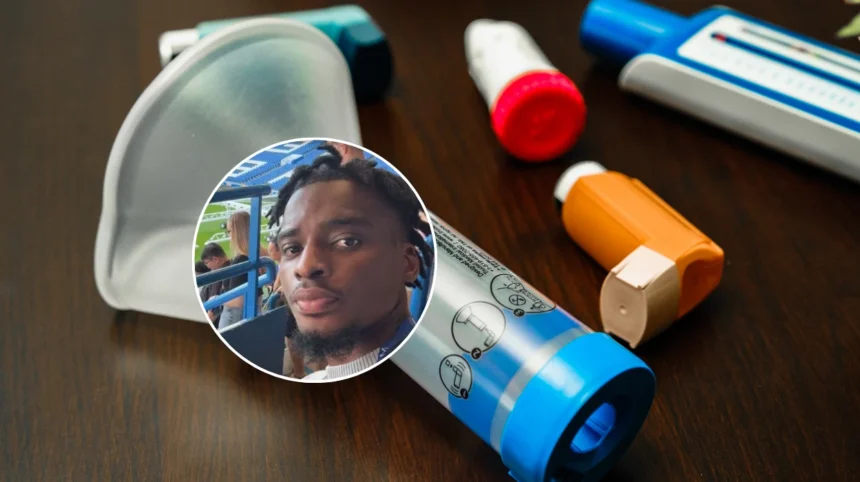
As reported by Ayokunle Oluwalana, Senior Multimedia Journalist of MyLondon, Obanyeli Jesse Chima was preparing to celebrate his birthday alongside his friends when he suffered a severe and sudden asthma attack out on the street. According to details provided by his close friend Eva in an interview with MyLondon, Chima began experiencing acute breathing difficulties and attempted to use three separate inhalers he had with him, but the medication failed to offer relief.
As reported by Ayokunle Oluwalana of MyLondon, one of Chima’s friends dialled for an ambulance. While the friend was on the phone line taking instructions from the operator, Chima collapsed on the pavement.
How Did Emergency Responders and Friends Intervene?
As reported by Ayokunle Oluwalana of MyLondon, Eva stated that
“Our friend started CPR after being guided by the ambulance operators”
Shortly afterwards, multiple ambulance units arrived at the scene. Medical crews spent approximately two hours working on the street to stabilise his heart before transporting him to hospital.
As reported by Ayokunle Oluwalana of MyLondon, paramedics transferred him to hospital, where he was connected to life support machines. Medical staff initially informed his friends that he might suffer only memory loss and would recover, but his condition showed no improvement over the following two days.
What Was the Final Diagnosis Following Hospitalisation?
As reported by Ayokunle Oluwalana of MyLondon, doctors subsequently conducted a brain test on Chima after observing no sign of recovery. The medical assessment confirmed that he was brain-dead.
As reported by Ayokunle Oluwalana of MyLondon, Eva stated that
“On September 25, we lost him. It’s horrible because we were just laughing, and four days later, we had to see his lifeless body”
. Describing the timing of the event, Eva explained to MyLondon:
“The weekend he suffered was the only weekend we all had free – all our birthdays are in September. He, my partner, and I all have our birthdays one day after another. That weekend was our chance to hang out, but instead we ended up at the hospital”.
Who Was Obanyeli Jesse Chima Outside of This Incident?
As reported by Ayokunle Oluwalana of MyLondon, Chima had moved from Nigeria to London to pursue higher education and had recently completed his Master’s degree in Public Health, where he was awaiting his graduation ceremony.
As reported by Ayokunle Oluwalana of MyLondon, Chima had previously worked at Chelsea Football Club, the team he passionately supported. Eva described him to MyLondon as a
“beloved and cherished friend who was the life of the party”
and noted that he leaves behind three siblings in Nigeria.
Why Have Friends Established a Crowdfunding Campaign?
As reported by Ayokunle Oluwalana of MyLondon, Chima’s family had previously saved funds specifically for his upcoming graduation ceremony rather than funeral expenses. Eva told MyLondon:
“His family had saved money for his graduation, and now that money needs to be used to bury their child. It’s horrible”.
As reported by Ayokunle Oluwalana of MyLondon, Eva and a group of friends launched an online fundraiser to support the family. Eva stated to MyLondon:
“We’re trying our best to see what we can raise. His family were planning for graduation. As international students, it’s tough already. We want to help take the burden off his family. Nobody has money saved up to bury a child”.
As reported by Ayokunle Oluwalana of MyLondon, regarding the decision to transport Chima back to Nigeria, Eva explained:
“His dad made enquiries about burying him in the UK but most of his family is in Nigeria. The family want to see his body before they lay him to rest, so returning him to Nigeria makes more sense; he should be closer to home”
.Organisers aim to raise between £7,000 and £9,000 to cover mortuary fees, administrative costs, and transportation expenses.
Background of the Particular Development
Asthma is a severe chronic respiratory condition characterised by inflammation and hyper-responsiveness of the airways. During an acute exacerbation or asthma attack, the smooth muscles surrounding the airways constrict, combined with increased mucus production, severely restricting airflow. While fast-acting bronchodilator inhalers (such as salbutamol) are standard first-line rescue medications, severe refractory asthma attacks can fail to respond to inhaler therapy, leading rapidly to respiratory failure, cardiac arrest, and prolonged hypoxia.
For international students residing in the UK, managing sudden medical crises or fatalities presents distinct operational and financial complexities. Families residing overseas must navigate international health regulations, diplomatic consular processes, mortuary logistics, and substantial aviation cargo charges to repatriate a deceased family member. Because standard international student insurance policies and university funds rarely cover full international repatriation costs, bereaved families and peer networks frequently rely on public crowdfunding campaigns to meet these immediate costs.
Explore more Local West London Time:
LBHF Links Property Development With Business Growth London West 2026
Local Notting Hill Community Icons Honoured In Endless Frieze London 2026
Prediction on How This Development Can Affect the Particular Audience
This development directly affects international students studying in the UK, asthma sufferers, and local university networks in several key ways:
- Enhanced Focus on Emergency Asthma Protocols: The inability of standard rescue inhalers to control this fatal attack highlights the critical need for public awareness regarding acute asthma management. It may prompt health organisations and university student unions to reinforce guidance on recognizing medical emergencies when rescue inhalers fail, emphasising immediate emergency calls without delay.
- Financial and Support Mechanisms for International Students: The reliance on crowdfunding to cover repatriation expenses illustrates the systemic financial risks faced by overseas families during sudden tragedies in the UK. Higher education institutions may evaluate establishing dedicated emergency repatriation funds or offering mandatory insurance add-ons covering overseas death and transport costs for international scholars.
- Community Solidarity and Bereavement Support: Peer groups across London universities and local football supporter communities are likely to see increased participation in mutual aid drives and mental health support services, helping overseas students cope with sudden grief far from their primary family networks.