

Key Points
- Cabinet Briefing: The proposal to create a new local centre at Perivale Station will be considered by the Ealing Council’s cabinet on 7 October 2026.
- Vision of Civic Heart: Perivale is the smallest town in Ealing, with about 17,000 inhabitants, and the only one without an identifiable town centre.
- Place-making Framework: According to Councillor Monica Hamidi, the council should endorse the framework and engage in consultations with residents and businesses.
- Transport Partnership: Ealing Council will partner with Transport for London (TfL) to enhance Perivale Station and its surroundings, including possible use of the station car park for local uses.
- Evening Economy and Industry: The purpose is to develop the evening retail economy after 6pm for shift workers in the nearby industrial estate, as well as for sensitively placed development at Ealing Central Sports Ground.
- Financial Investment: The next phase is expected to cost £300,000 in two years, paid from budget savings in the council.
Perivale (West London Times) — 7 October 2026 — Proposals to create a new town centre around Perivale Station, potentially bringing new homes, shops, community facilities, and jobs to the area, go before uk/local/ealing/">Ealing Council’s cabinet tonight (7 October 2026).
- Key Points
- What are the main objectives of the Perivale Placemaking Framework?
- How will transport links and local amenities be improved around Perivale Station?
- What other sites are included in the Ealing Council development plans?
- What are the next steps and financial implications for the council?
- Background of the Particular Development
- How This Development Can Affect Perivale Residents
What are the main objectives of the Perivale Placemaking Framework?
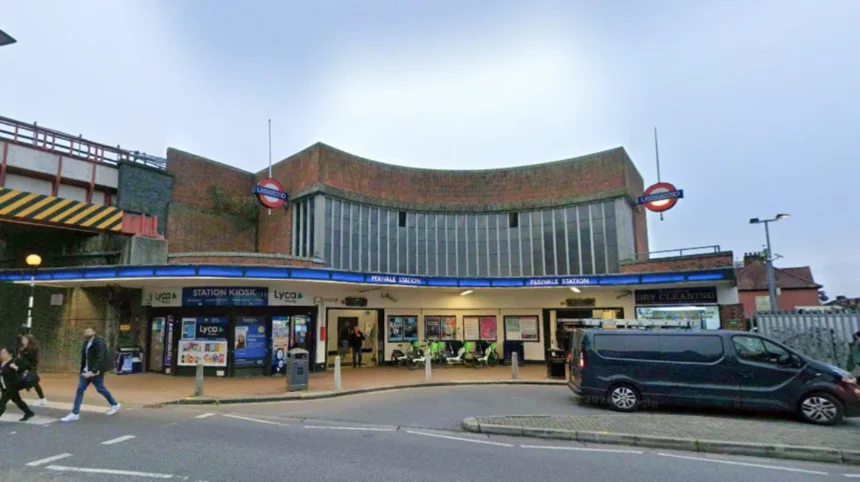
As reported by Leslie Bunder of Ealing.News, Perivale is currently recognised as the smallest of Ealing’s seven towns, accommodating approximately 17,000 residents. According to Ealing Council data highlighted by Leslie Bunder of Ealing.News, it also remains the only town in the borough without a clearly defined town centre. To address this structural gap, the local authority aims to forge a vibrant new “civic heart” centered directly around the Central line Tube station.
A detailed report submitted by Councillor Monica Hamidi, cabinet member for Good Growth, recommends that the cabinet of the Labour-run Ealing Council formally approves the Perivale Placemaking Framework. As noted by Leslie Bunder of Ealing.News, this framework establishes the council’s broad strategic proposals for the area and greenlights further consultation phases involving local residents and business owners.
How will transport links and local amenities be improved around Perivale Station?
As detailed by Leslie Bunder of Ealing.News, the official report states: “Establishing a new mixed-use local centre in this location would create a focal point for more connected communities, strengthen Perivale’s identity, and bolster the local economy, reducing the need for residents to travel elsewhere for everyday services.”
To execute this vision, the proposals involve active collaboration with Transport for London (TfL) regarding comprehensive improvements to Perivale Station and its immediate surrounding plots. As highlighted by Leslie Bunder of Ealing.News, the existing station car park is earmarked as a prime candidate for redevelopment into brand-new local community amenities.
Furthermore, Ealing Council has expressed a clear desire to stimulate local activity around Perivale Station after 6:00 PM. According to Leslie Bunder of Ealing.News, the council report explicitly underscores a current deficiency in evening retail and leisure options, which poses an inconvenience particularly for shift workers operating on the neighbouring industrial estate.
What other sites are included in the Ealing Council development plans?
As reported by Leslie Bunder of Ealing.News, the strategy also involves exploring “sensitively located development” at the Ealing Central Sports Ground. Importantly, any changes in this sector would strictly prioritize the retention of its distinct green character alongside its existing community, cultural, and sporting functions. Additionally, neighbouring industrial land plots and Horsenden Lane South fall within the wider scope of the proposed framework.
Community engagement has already played a foundational role in shaping these plans. As stated by Leslie Bunder of Ealing.News, more than 400 local residents and business operators participated in earlier Ealing Council consultations. Their top priorities consistently highlighted the need for expanded leisure and community facilities, enhanced transport connections, safer public realm spaces, and a greater volume of local employment opportunities.
What are the next steps and financial implications for the council?
Council officers have strongly advised moving the proposals forward rather than adopting a static or inactive stance. As reported by Leslie Bunder of Ealing.News, officials noted that advancing the framework would “maximise opportunities to unlock more community infrastructure, jobs and homes for Perivale.”
Looking ahead at project financing, the upcoming phase is projected to cost £300,000 spread across a two-year timeline. As detailed by Leslie Bunder of Ealing.News, this total encompasses £250,000 allocated for specialized consultants and £50,000 dedicated to internal staff expenses. Funding is expected to be drawn from pre-existing savings within current council budgets, although precise savings targets have not yet been formally identified or finalized.
Finally, authorities have clarified that no binding or specific construction developments are being granted approval at this preliminary stage. As noted by Leslie Bunder of Ealing.News, comprehensive further consultations and rigorous technical feasibility work must be completed before any granular, detailed proposals are officially drafted.
Explore more Ealing News:
Ealing Council Overhauls Temporary Housing Placement Zones in Ealing 2026
Kitchen Bee and Brown Urbanism Transform Period Home in West Ealing 2026
Background of the Particular Development
The push to establish a unified town centre in Perivale addresses long-standing spatial and infrastructural disparities within the London Borough of Ealing. While larger districts such as Ealing Broadway, Acton, and Southall feature historic, well-developed commercial high streets and civic hubs, Perivale grew primarily around its industrial estates and suburban housing developments during the 20th century without a centralized focal point. The Central line station has historically served as a commuter transit node rather than a community gathering space. Over recent years, Ealing Council has placed a growing strategic emphasis on transit-oriented development (TOD), seeking to maximize land use around public transport nodes to address regional housing demand, support local economic resilience, and reduce carbon footprints by minimizing reliance on private motor vehicles for everyday errands.
How This Development Can Affect Perivale Residents
If the Perivale Placemaking Framework progresses through subsequent consultation and detailed design phases, local residents and business owners can expect significant shifts in their day-to-day environment. In the medium to long term, the creation of a defined town centre and the introduction of evening retail amenities will likely improve local convenience, cutting down travel times for essential services and providing much-needed social spaces for shift workers. However, residents may also experience transitional disruptions, including construction activity around the station precinct and increased property market interest, which could influence local housing costs and rental values. Furthermore, while the council has pledged to safeguard the green character of the Ealing Central Sports Ground and consult closely on every phase, managing the balance between urban intensification and the preservation of neighbourhood heritage will remain a central concern for the local community.