

Key Points
- Operation: A raiding team made up of over 800 police officers conducted dawn raids in 24 premises in London, Essex, Hertfordshire, Cambridgeshire, and Suffolk.
- Persons Arrested: 17 persons (15 men and 2 women, aged between 26 and 65) have been arrested on different counts.
- Officer Stabbed: One Met Police officer was injured in the leg as he enforced a warrant in an address in Cockfosters, Barnet, and taken to hospital for treatment.
- Suspected Crimes: The crimes include leading organised crime, money laundering, conspiracy to inflict grievous bodily harm, false accounting, and tax evasion.
- Inter-Agency Cooperation: The operation was led by specialists from the Met Police with the assistance of HMRC and the FCA.
- FCA and HMRC Action: The FCA has disrupted the operations of seven companies and is investigating 30 more, while HMRC was closely collaborating in the investigation of tax evasion and financial crimes.
London (West London Times) September 29, 2026 — Seventeen people have been arrested following coordinated dawn raids by more than 800 officers targeting 24 properties across London and four surrounding counties as part of a high-stakes investigation into a suspected organised crime network.
- Key Points
- How Did the Mass Multi-County Raids Unfold Across London and Four Counties?
- Why Was a Police Officer Stabbed During the Raids in Cockfosters?
- What Are the Full Details of the 17 Arrests and Suspected Offences?
- What Role Did HMRC and the FCA Play in Disrupting the Financial Networks?
- Background of the Particular Development
How Did the Mass Multi-County Raids Unfold Across London and Four Counties?
As reported by Emily Elliott of London Now, the extensive operation took place on Tuesday, September 29, spanning multiple regions. Addresses were thoroughly searched across London, Essex, Hertfordshire, Cambridgeshire, and Suffolk. According to law enforcement, searches remained under way at several properties, with police anticipating their presence in the affected areas for some days.
The multi-agency crackdown involved specialist detectives from the Metropolitan Police, backed by personnel from His Majesty’s Revenue and Customs (HMRC) and the Financial Conduct Authority (FCA). The operation targeted senior figures suspected of orchestrating high-level serious criminality.
Why Was a Police Officer Stabbed During the Raids in Cockfosters?
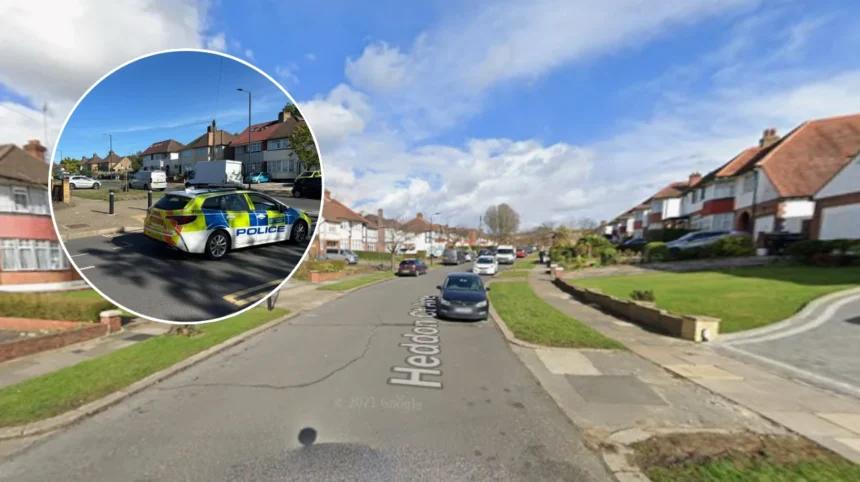
During the execution of a warrant at an address in Cockfosters, Barnet, an officer sustained a stab wound to the leg. Colleagues and paramedics administered immediate medical treatment at the scene before rushing the injured officer to hospital.
Subsequent police investigations linked this violent incident directly to the broader criminal network. A 56-year-old man was arrested on suspicion of grievous bodily harm in connection with the stabbing. In addition, as detailed by London Now reporter Emily Elliott, that same individual was arrested on suspicion of participating in the activities of an organised crime group, money laundering, tax evasion, false accounting, and failing to disclose suspicion of money laundering. Two other men, aged 47 and 37, were likewise arrested on suspicion of conspiracy to commit grievous bodily harm and involvement in an organised crime group.
What Are the Full Details of the 17 Arrests and Suspected Offences?
The 17 individuals apprehended during the raids consist of 15 men and two women ranging in age from 26 to 65. Alongside the suspects detained for conspiracy to commit grievous bodily harm and assault, multiple individuals were arrested on suspicion of participating in organised crime group activities, money laundering, tax evasion, false accounting, and breaches of money laundering regulations.
Detailing the severity of the sweep, an unnamed Metropolitan Police spokesperson stated to Emily Elliott of London Now:
“These arrests mark a significant point in this investigation. Those arrested are suspected of leading or being involved at a senior level in serious and organised crime and related financial offending.”
The spokesperson added:
“Lines can often be drawn from the top, all the way to those involved in the criminality that blights communities, including serious violence and exploitation.”
Furthermore, the Met Police spokesperson emphasised the force’s resolve, stating: “We hope these arrests show how determined we are to ensure organised crime groups cannot operate freely in London.”
Explore more uk/police/">West London Police News:
Five British Nationals Arrested Over RAF Fairford Bomb Plot in West London 2026
Met Police Seize £3.7m Ferrari Monza SP2 — London 2026
What Role Did HMRC and the FCA Play in Disrupting the Financial Networks?
The operation went beyond physical searches and arrests, pulling in financial regulators to dismantle the economic backbone of the suspected crime syndicate. The Financial Conduct Authority successfully disrupted seven firms as part of the wider operation and revealed it is actively pursuing another 30.
Highlighting the importance of inter-agency cooperation, a Financial Conduct Authority spokesperson stated to London Now:
“Tackling financial crime requires the type of partnership shown by today’s joint action and the many months of close cooperation leading to it.”
The FCA spokesperson further stated:
“We’ll continue to work with the police and others to identify and disrupt organised crime groups who abuse our financial system to launder dirty money.”
Echoing this sentiment regarding economic crimes, an HMRC spokesperson stated to Emily Elliott of London Now:
“Today’s action highlights the importance of close collaboration between HMRC and other law enforcement partners in tackling serious and organised crime, including suspected money laundering and other criminal activity.”
Police confirmed that investigations, forensic examinations, and property searches are actively continuing across all targeted locations.
Background of the Particular Development
This major multi-county enforcement operation represents a growing strategic shift among UK law enforcement agencies towards targeting the intersection of violent crime and sophisticated financial networks. Rather than focusing solely on street-level offences, contemporary British policing increasingly relies on synchronized “vertical” investigations.
These operations connect high-level financial misconduct—such as money laundering, tax evasion, and false accounting handled by shell entities—directly to violent enterprise and organised crime groups. The integration of financial watchdogs like the FCA and revenue authorities like HMRC alongside the Metropolitan Police highlights a concerted UK-wide strategy to choke off the illicit capital that enables gangs to operate, recruit, and perpetuate serious violence within local communities.
This high-profile crackdown and the subsequent disruption of financial firms by the FCA are expected to create immediate liquidity and operational bottlenecks for organised crime networks operating within London and the home counties. By severing access to key laundering channels and detaining senior syndicate leaders, law enforcement action will likely reduce the capacity of these groups to finance large-scale illicit enterprises in the short term. However, for the local communities and business sectors in London, Essex, Hertfordshire, Cambridgeshire, and Suffolk, this development may also trigger a temporary vacuum in underground markets, potentially leading to fractional shifts or opportunistic splintering among remaining criminal cells as authorities press forward with their ongoing investigations.