


Key Points
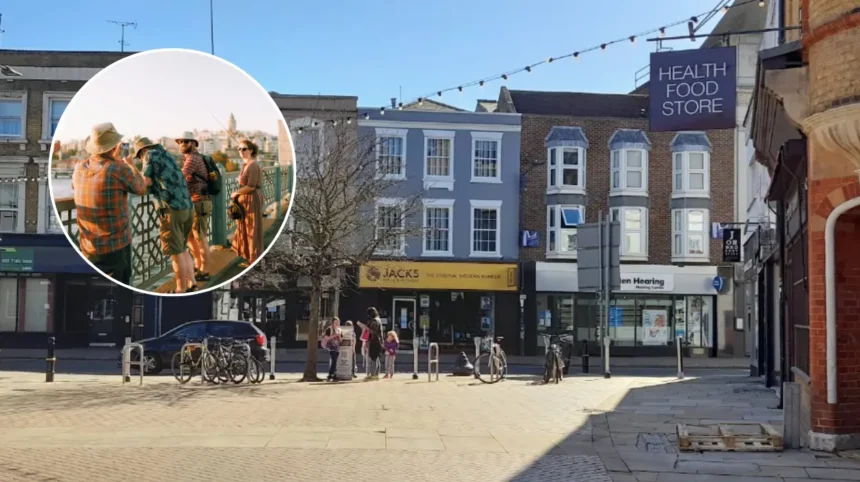
- Kingston Upon Thames has been declared the top London borough for visitors in a recent analysis conducted by AdultWork, receiving an overall score of 71.8/100.
- Richmond upon Thames was declared the second-best London Borough as well as the second-best in South-West London with an overall score of 69.7/100.
- This index measured all 33 London Boroughs based on ten separate indicators, which were all related to visiting the city, such as the price of hotel rooms, time spent traveling in public transport, streets’ cleanliness and safety, food quality, and availability of parks.
- Sources used in the study include 1,314 hotel accommodations with prices, almost 2.7 million guest opinions, more than 1.1 million crime records, and numerous food hygiene ratings.
- South-West London was declared the top-performing region of London as all six of its boroughs made it into the top half of the list of the capital’s boroughs.
- Central London regions did not perform well owing to their expensive accommodations and either crime rate or lack of cleanliness, as Camden took 33rd place while the City of London – 32nd place.
Kingston Nub News (West London Times) September 23, 2026 – As reported by Tilly O’Brien of Kingston Nub News, Kingston has officially been crowned the premier London borough for tourists, narrowly beating neighbouring uk/local/richmond-upon-thames/richmond/">Richmond upon Thames in a newly released index evaluating visitor experiences across all 33 boroughs of the capital.
- Key Points
- How Was the New London Tourism Index Compiled?
- Why Did Kingston upon Thames Take the Top Spot?
- How Did Neighbouring Richmond upon Thames Perform?
- What Were the Results for Wandsworth and Merton?
- How Did Central London Boroughs Fare in the Rankings?
- Background of the Development
- How This Development Can Affect Tourists and Local Businesses
How Was the New London Tourism Index Compiled?
As detailed by Tilly O’Brien of Kingston Nub News, the index was compiled by adult services site AdultWork, which evaluated every borough across 10 specific measures focusing on everyday tourist decisions. These metrics included average night costs for accommodation, travel times to major city sights, street safety and cleanliness standards, food hygiene and restaurant quality, and the availability of local green spaces.
The comprehensive research drew from a vast data pool comprising 1,314 priced hotels, 2,691,995 hotel guest reviews, 1,139,831 police crime records, 70,949 food hygiene inspections, 1,442 restaurant reviews, and 825 timed public transport journeys. According to the findings cited by Tilly O’Brien of Kingston Nub News, no single borough in the capital managed to secure a top-ten finish on more than five of the ten evaluated measures.
Why Did Kingston upon Thames Take the Top Spot?
As reported by Tilly O’Brien of Kingston Nub News, Kingston upon Thames achieved the highest overall score in the capital with 71.8 out of 100. It distinguished itself as the only borough in London that successfully avoided the bottom ten across all 10 individual metrics, with nine of its scores landing comfortably in the upper half of the table. Furthermore, no other borough managed to simultaneously place in London’s top 10 for affordable hotel costs, street cleanliness, safety, and food quality.
Highlighting the specific metrics, Tilly O’Brien of Kingston Nub News noted that a median hotel room in Kingston costs £87 a night, marking it as the third-cheapest in London and less than a sixth of the nightly rates charged in the City of London. Additionally, the borough recorded minimal fly-tipping, while theft and robbery accounted for just 5.51 percent of recorded crime—the eighth-lowest share across the capital. Local restaurants achieved an average score of 3.6 out of 5 with Harden’s, representing the third-highest average of any borough. The only metric falling outside the top half was transport distance, requiring a median travel time of 58 minutes to reach central London’s main tourist attractions.
How Did Neighbouring Richmond upon Thames Perform?
As outlined by Tilly O’Brien of Kingston Nub News, Richmond upon Thames secured second place in both south-west London and the wider capital with a score of 69.7 out of 100, making it the steadiest performer in the index by reaching London’s top 10 on five separate measures.
Tilly O’Brien of Kingston Nub News reported that 31.9 percent of the ground within a one-kilometre walk of local hotels consists of parkland, water, or private gardens, representing the highest share in London. Furthermore, local hotels averaged 8.58 out of 10 in Booking.com guest reviews—ranking second only to the City of London—while safety metrics placed the borough third in the capital, with theft and robbery making up 4.5 percent of recorded crimes. Accommodation costs averaged £280 a night, making them the priciest in south-west London.
What Were the Results for Wandsworth and Merton?
As stated by Tilly O’Brien of Kingston Nub News, Wandsworth placed eighth overall in London and third in south-west London with a score of 64.9, standing out as the only inner-London borough in the south-west sector. Food Standards Agency top hygiene ratings of 5 were awarded to 78.1 percent of its food premises, and its hotels averaged 8.31 out of 10 on Booking.com. Wandsworth also offered the quickest travel time to central sights among south-west boroughs at a median of 46 minutes, with hotel rooms averaging £176.90.
Merton finished sixth among south-west boroughs and 16th across the capital with a score of 60.8. As noted by Tilly O’Brien of Kingston Nub News, Merton ranked third in London for food hygiene—with 81.2 percent of premises holding a top rating—and fourth for safety, where theft and robbery constituted 4.94 percent of recorded crime. Median room rates stood at £120 a night, though lower scores were recorded for restaurant quality and green space availability.
How Did Central London Boroughs Fare in the Rankings?
As reported by Tilly O’Brien of Kingston Nub News, the wider study challenged the assumption that central London locations best serve visitors. Only four of the ten highest-scoring boroughs were located in inner London, whereas seven of the ten lowest-scoring areas were central. Camden finished last at 33rd with a score of 42.6 due to high levels of fly-tipping, while the City of London placed 32nd, burdened by average hotel room rates of £536 a night.
Commenting on the broader implications of the findings, a spokesperson at AdultWork stated, as quoted by Tilly O’Brien of Kingston Nub News:
“Most people book a London trip around the daytime map, then pay a premium for a room they barely see in daylight. What this ranking shows is how much you get back by looking one stop further out—cleaner streets, better-rated hotels, and enough left over to actually enjoy yourself once the museums have shut.”
Explore more South West London Times:
Fulham Foundation and Carers Trust Launch Support in South-West London 2026
Clapham Junction Station CCTV Appeal After Violent Passenger Assault South West London 2026
Background of the Development
This comprehensive tourism study emerged from an effort to re-evaluate how urban destinations are graded from a practical visitor perspective rather than relying purely on traditional inner-city prestige. By aggregating millions of authentic data points—including verified hotel guest reviews, official police crime figures, food hygiene ratings, and actual public transport transit times—the index sought to capture the holistic reality of staying in a major metropolis like London.
Historically, tourism metrics have heavily favoured central locations close to landmark monuments, often overlooking outer boroughs that offer superior accommodation value, lower crime rates, and enhanced cleanliness. This index reflects a growing trend in travel analytics toward data-driven transparency, highlighting how suburban or semi-suburban hubs can provide a more comfortable and cost-effective base for travellers exploring global capitals.
How This Development Can Affect Tourists and Local Businesses
The elevation of Kingston upon Thames and surrounding south-west London boroughs as top-tier tourist destinations is expected to shift booking patterns significantly over the coming seasons. Budget-conscious travellers looking for alternatives to overpriced central accommodation will likely direct their attention toward outer boroughs offering a balance of safety, green spaces, and high-value dining. For local hospitality businesses, independent hotels, and restaurants in Kingston and Richmond, this recognition could spark a surge in domestic and international foot traffic, boosting local economic activity. However, local authorities and small businesses will also need to manage potential challenges, such as balancing increased visitor numbers with the preservation of neighbourhood peace and local infrastructural capacity.