


Key Points
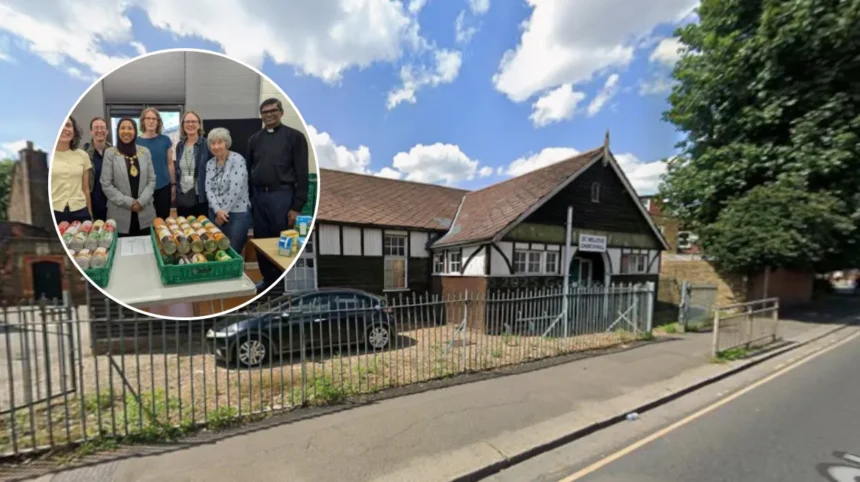
- Mayor of Ealing, Councillor Faduma Mohamed and Deirdre Costigan, MP for Ealing Southall, visited Ealing’s busiest food bank on Thursday, 17 September 2026.
- They both had an audience with the staff, volunteers, and beneficiaries at St Anselm’s RC Church, Southall.
- Ealing Foodbank is a member of Trussell Trust and provides a food package containing nutritionally-balanced three days of food to people facing emergencies for three consecutive days after being referred to them.
- This organization was set up back in 2013 and currently runs eight centers across the borough six days a week.
- Representatives from Crosslight Debt Advice and Ealing Law Centre were also there to interact with the officials concerning their services.
- As per Leslie Bunder of EALING.NEWS, “Emma Leahy said ‘It is not just emergency food parcels that Ealing Foodbank helps people with. They help clients through funding debt advisers and housing law specialists, which will help them solve the problems that caused the emergency and make a way forward.’”
uk/local/ealing/southall/">Southall (West London Times) September 18, 2026 – The political leadership of the London Borough of Ealing recently turned its focus toward local socioeconomic resilience as key elected representatives toured the area’s primary emergency food distribution facility.
Why Did Ealing Mayor And Local MP Visit Southall Foodbank?
The Mayor of Ealing, Councillor Faduma Mohamed, alongside Ealing Southall MP Deirdre Costigan, undertook an official visit to the borough’s busiest foodbank facility on Thursday, 17 September 2026. Hosted at St Anselm’s RC Church in Southall, the visit served to inspect operations and engage directly with the frontline personnel sustaining the service.
During the engagement, Councillor Mohamed and Ms Costigan held discussions with staff members, dedicated volunteers, and local residents utilising the facility. Operating under the umbrella of the Trussell Trust network, the foodbank provides critical short-term relief by supplying three days of nutritionally balanced emergency food provisions to individuals experiencing acute financial crisis who have secured formal referrals.
Explore more Southall News:
New Public Art Trail Celebrates Local Heritage in Southall 2026
The Council And Police Are Taking Action Over Illegal Dumping In Southall
How Does Ealing Foodbank Support The Local Community Beyond Emergency Rations?
Founded in 2013, Ealing Foodbank has expanded its physical footprint significantly over the years. It currently operates eight distinct distribution centres spread across the borough, maintaining service availability six days a week to meet rising local demand.
Beyond immediate nutritional aid, the visit highlighted integrated services designed to combat systemic poverty. Councillor Mohamed and Ms Costigan met with specialists representing Crosslight Debt Advice and Ealing Law Centre. These organisations operate alongside the foodbank to offer specialised guidance to residents navigating complex financial instability and housing vulnerabilities.
Shedding light on the comprehensive scope of these operations, as reported by Leslie Bunder of EALING.NEWS, Emma Leahy stated that
“Ealing Foodbank’s support goes beyond providing emergency food parcels. The charity also funds debt advisers and legal housing experts, helping clients tackle the underlying issues behind their crisis and take steps towards a more secure future.”
Background of the Particular Development
The visit to the Southall foodbank occurs against a backdrop of prolonged economic pressures affecting households across Greater London. Established more than a decade ago in 2013, Ealing Foodbank has evolved from a single emergency distribution point into an extensive borough-wide network comprising eight centres. The integration of on-site debt advice and legal housing assistance reflects a broader national shift within the Trussell Trust network towards tackling the root causes of destitution—such as benefit delays, high housing costs, and unsecured debt—rather than relying solely on short-term food distribution. Local leaders frequently visit these hubs to gauge community hardship levels and evaluate the efficacy of local authority and third-sector partnerships.
This high-profile institutional visit by the Mayor of Ealing and the local Member of Parliament is likely to elevate public awareness and amplify calls for institutional support regarding cost-of-living challenges in the borough. For Ealing residents, particularly vulnerable groups facing housing precarity and financial distress, the spotlight on partnerships between foodbanks and advisory services like Ealing Law Centre and Crosslight Debt Advice could drive increased sign-posting, volunteer engagement, and potentially greater philanthropic funding. However, it also underscores the enduring reliance on charitable infrastructure to bridge gaps in public welfare safety nets, maintaining ongoing pressure on local policy-makers to address underlying structural poverty.