


Key Points
- Fatal Stabbing: David Wynter, aged 17 years, was fatally stabbed at the Brent Civic Centre on 25th August.
- Investigation Underway: According to Cllr Muhammed Butt of Brent Council, the ongoing investigation into the fatal stabbing case is still underway.
- Request for Information: Authorities and the leadership of the community have appealed for anyone who has information about the case to make themselves available to help in the investigations.
- Call for Community Action: Cllr Muhammed Butt has asked parents, teachers, faith leaders, neighbors, and friends to have an open discussion with children on knife crime and possession of weapons.
- Community Vigilance: The matter of safety should not be left only to the police or the council since community vigilance and frank discussions are needed.
- Bringing Back Old Campaigns: The leadership has recommended the resurrection of the spirit of the famous “Not Another Drop” campaign against serious violence to save Brent from more bloodshed.
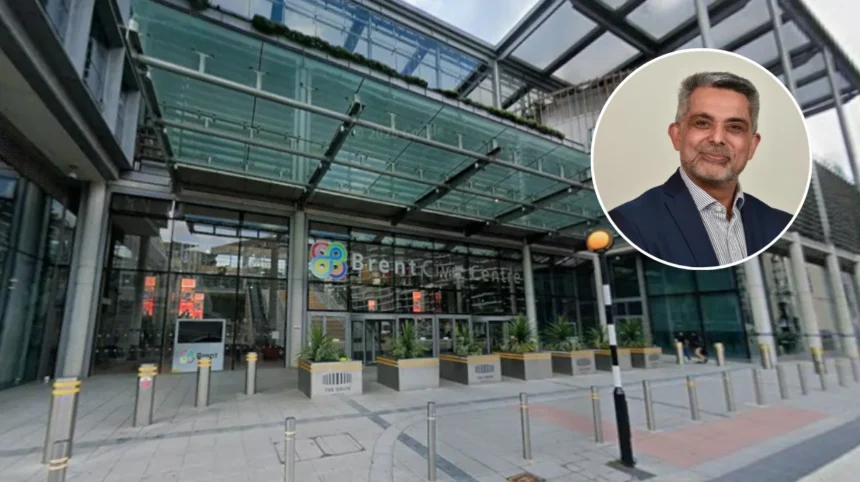
London (West London Times) September 12, 2026 — The police investigation into the tragic events at the uk/local/brent/">Brent Civic Centre on August 25 remains fully active. Seventeen-year-old David Wynter tragically lost his life after sustaining fatal stab wounds at the municipal location. Cllr Muhammed Butt stated that he hoped “by the time you read this, the police will have made swift progress in establishing what happened.” In the meantime, local officials have emphasized that the formal investigation must take its course while urgently appealing for witnesses or individuals with relevant details to come forward.
The death of the 17-year-old has left a family grieving for a young man who should have had decades ahead of him, while leaving witnesses with lasting trauma. As noted by Cllr Muhammed Butt of Brent Council,
“There are questions that must be left to the police, but there is a wider conversation about knife crime that belongs to all of us, and we cannot put it off.”
Why Is Brent Council Urging Parents to Talk to Children About Knife Crime?
Addressing the wider societal impact, Cllr Muhammed Butt of Brent Council stressed that community safety cannot simply be outsourced to statutory institutions like the police, schools, or youth workers. Instead, protecting young people requires a collective effort involving parents, teachers, faith leaders, neighbours, friends, and the local council.
Cllr Muhammed Butt noted that this communal duty “means having conversations which may be blunt, frank and uncomfortable.” Parents are specifically urged to ask their children directly about what is happening in their lives and whether they, or their peers, are carrying weapons. Furthermore, friends are encouraged to challenge one another, and adults must listen closely whenever a young person expresses that they are under peer pressure. According to local leadership, a single honest conversation can interrupt a moment of fear or poor judgment, potentially serving as the difference between a child returning home safely and a family facing devastating loss.
How Can the Community Revive Past Anti-Violence Efforts Like “Not Another Drop”?
Reflecting on historical community movements, Cllr Muhammed Butt of Brent Council recalled that many local residents will remember “Not Another Drop,” a powerful phrase at the heart of an initiative driven by parents during the early 2000s to tackle knife crime and serious violence. Expressing profound sorrow, the council leader acknowledged that those words remain just as relevant today as they were decades ago.
Cllr Muhammed Butt stated a firm belief that “the time has come to resurrect that phrase and give it renewed meaning,” focusing on three central pledges:
- Not another drop of blood.
- Not another young life lost.
- Not another family devastated by knives.
While the local authority will continue collaborating closely with police forces, educational institutions, youth services, faith organisations, and community groups, municipal leaders emphasize that institutions alone cannot eradicate knife violence. Stopping these tragedies requires everyone in society to remain observant, listen actively, ask difficult questions, and declare collectively that enough is enough.
Explore more Brent Crime News:
14-Year-Old Boy Dies After Father’s Assault Over Bank Card Use
Three Charged Over Fatal Stabbing of David Wynter in Wembley 2026
Background of the Particular Development
The tragic death of 17-year-old David Wynter at the Brent Civic Centre on August 25 highlights ongoing, systemic challenges regarding youth violence and knife crime within outer London boroughs. Brent, like many urban communities across the United Kingdom, has grappled with localized incidents of serious youth violence over the past two decades.
Historically, community-led initiatives such as the early-2000s “Not Another Drop” campaign were formed by grassroots organizations and grieving families to push back against rising knife crime rates. Despite repeated municipal interventions, multi-agency safeguarding partnerships, and police operations, knife crime continues to pose a persistent threat to adolescent safety, prompting civic leaders to repeatedly shift the focus toward preventative, dialogue-based community responses rather than enforcement alone.
How This Development Can Affect Brent Residents and Families
This high-profile tragedy and the subsequent public appeal by council leadership are expected to heighten anxiety among Brent residents, particularly parents of teenagers and school-aged children. By shifting the discourse toward domestic and communal accountability, the development will likely encourage local schools, youth clubs, and faith groups to host workshops and open forums regarding weapon awareness.
For families residing in Brent, this means an increased social pressure to engage in difficult, direct conversations with their children about peer pressure, personal safety, and the legal and physical consequences of carrying knives. While this may temporarily increase fear and community apprehension, it could simultaneously foster stronger support networks, encouraging neighbours and parents to look out for vulnerable youth before conflicts escalate into fatal violence.